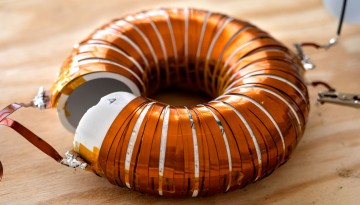
Cornell researchers are pioneering an innovative approach for the wireless charging of electric vehicles and other machines while they remain in motion.
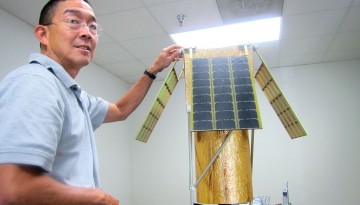
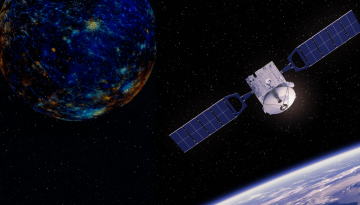
The endowment will be used for future investments in graduate fellowships, professorships and laboratory enhancements, with the ultimate goal of creating an institute for space technology, innovation and entrepreneurship.
Twelve Cornell assistant professors from a range of disciplines have recently received five-year National Science Foundation Faculty Early Career Development Awards.
The College of Engineering hosted a first-of-its-kind virtual gathering on March 4 to welcome recently admitted engineering doctoral students from backgrounds traditionally underrepresented in the field.
The Center for Teaching Innovation (CTI) has selected doctoral students Giulia Andreoni and Vasilis Charisopoulos as recipients of the 2020-2021 Cornelia Ye Outstanding Teaching Assistant Award.
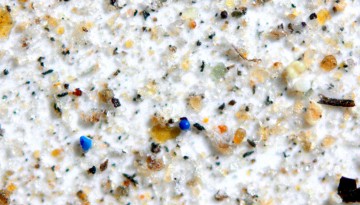
By sea or by land, microscopic shards of plastic are more ubiquitous than science had known, according to a new study led by researchers at Cornell and Utah State University.
Scientists, technologists and businesses will show how space will be explored in the years to come during the inaugural Space Tech Industry Day, a virtual symposium hosted by Cornell on April 23.