Cornell University Library offered a workshop for graduate students and postdocs in engineering, math and physical sciences on the resources that can jump-start their careers.
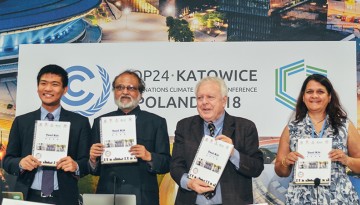
In a whirlwind of seminars, plenary sessions and corridor conversations, 17 Cornell students and six faculty attended COP24 in Katowice, Poland in December.
Senior engineering lecturer Douglas MacMartin has co-authored a study that suggests a protocol for geoengineering research and how it could ultimately impact public policy relating to climate change.
Cornell Tech researchers developed a tool that causes smartphones to vibrate when users exceed time limits on certain apps, reducing usage of the apps by 20 percent and helping people tackle digital addiction.
A slight modification to an existing RNA sequencing technique, developed in the lab of assistant professor Iwijn De Vlaminck, will allow a greater variety of molecules to be analyzed.
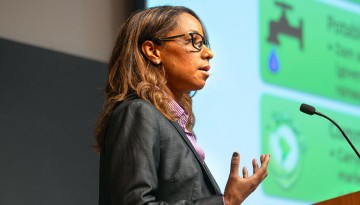
In this era of rising atmospheric temperatures, Shorna Allred discussed her concerns about preserving the world’s indigenous societies during her keynote address Dec. 6 at Cornell’s 2018 Sustainability Leadership Summit.