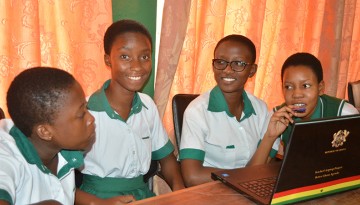
A team of students and faculty has organized a coding program to inspire interest in computer science among high schoolers in Ghana, where students must choose majors before they enter university and can’t switch once they’re enrolled.
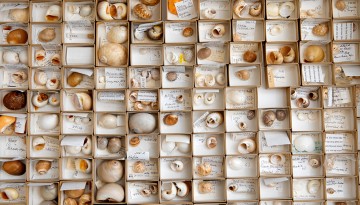
Cornell’s Malacology Collection will get new life online when it is donated to the Paleontological Research Institution, which plans to digitize it and make it available to researchers around the world.
Twenty-six Cornell graduate students have won more than $42,000 in fall 2018 Research Travel Grants, which provide students up to $2,000 to conduct thesis or dissertation research.
After cruising for 205 days over 301 million miles, NASA’s InSight spacecraft – to probe beneath the surface of Mars – landed flawlessly Nov. 26. Cornell’s Don Banfield felt earthly relief.
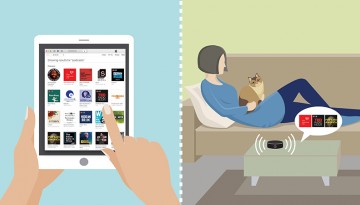
People explore less when they get recommendations from voice-based platforms such as Amazon’s Alexa or Apple’s Siri, making it more likely that they’ll hear options chosen by an algorithm than those they might actually prefer.
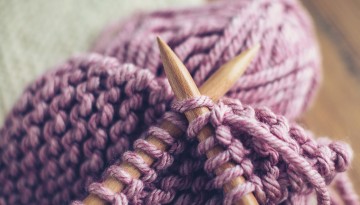
A new digital tool developed by a team of researchers at Cornell and Stanford University can accurately predict how knitting patterns will turn out ahead of time – and does it about 100 times faster than existing methods.
A Rev: Ithaca Startup Works member company received a $1.7 million National Institutes of Health grant to conduct research on the efficacy of a data-literacy program for high school students.
“Science Blender,” a podcast produced by doctoral students in the Smith School of Chemical and Biomolecular Engineering, tells the stories of the people behind the science.
FuzeHub, a not-for-profit organization that assists small- to medium-sized manufacturing companies in New York state, announced seven winners of its Commercialization Competition Nov. 8.