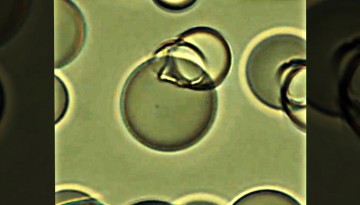
Cornell researchers have developed a two-phase liquid crystal system that can rapidly change – and hold – its shape, transforming from a transparent thin liquid film to an opaque emulsion, and then back again, all with a brief jolt of a high-frequency electric field.
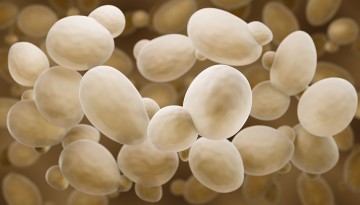
Cornell researchers have found that peaceful microbes are more likely to thrive, and their more aggressive peers perish, if their environment is harsh or experiences violent disruptions.
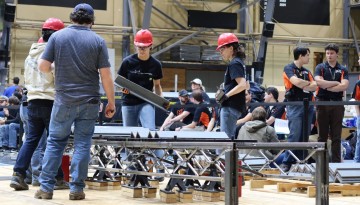
Cornell’s Steel Bridge Team excelled in the 2024 AISC competition with a 216-pound bridge that supported 2,500 pounds, placing first in lightness. Key to their success was access to the LASSP Student Machine Shop, where expert support and flexible hours enabled fast, high-quality fabrication and extra time for testing and refinement.
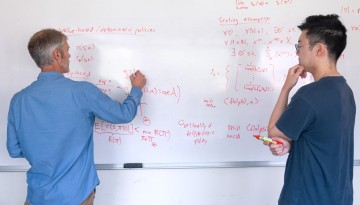
Cornell researchers have been building decision-support tools, optimization methods and artificial intelligence approaches to help the U.S. Navy and Marines quickly and effectively transport people and supplies – including blood for transfusions – in the event of an overseas conflict or humanitarian disaster.
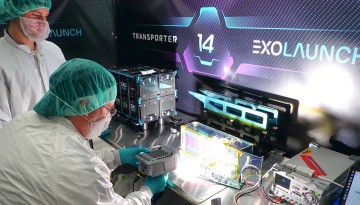
With support from Cornell’s research and testing facilities, deep-tech company AVS US – with facilities just outside Ithaca – successfully launched two spacecraft aboard a SpaceX Falcon 9 rocket on June 23
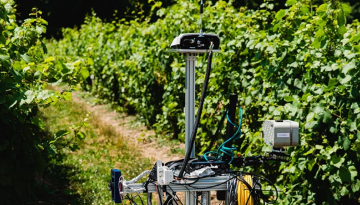
The Cornell Institute for Digital Agriculture has announced the recipients of its 2025 Research Innovation Fund faculty and student grants supporting new, cross-disciplinary projects designed to improve global food systems via digital innovation.