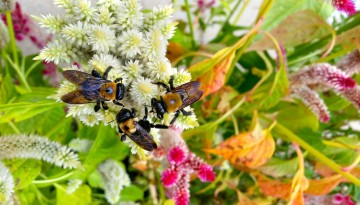
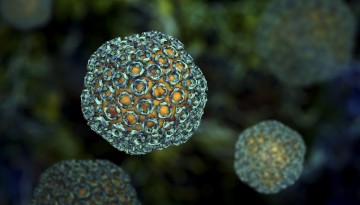
One in 11 flowers carries disease-causing parasites known to contribute to bee declines, according to a Cornell study that identifies how flowers act as hubs for transmitting diseases to bees and other pollinators.
A multidisciplinary, Cornell-led team of scientists will study how plant pathogens that travel the globe with dust particles might put crops at risk, especially in places where people struggle to eat.
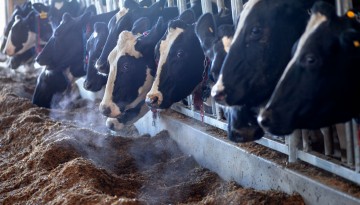
A new open-source computer model being developed by a Cornell-led interdisciplinary team will simulate production and quantify the environmental effects of management decisions made on dairy farms.
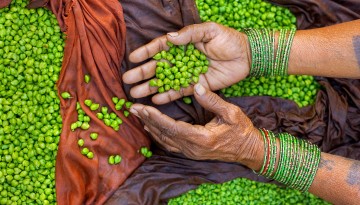
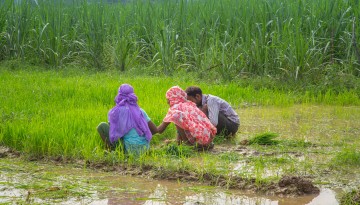
Research from the Tata-Cornell Institute for Agriculture and Nutrition shows that India’s rigorous lockdown has driven up the price of produce, limiting people’s ability to afford a nutritionally diverse diet.
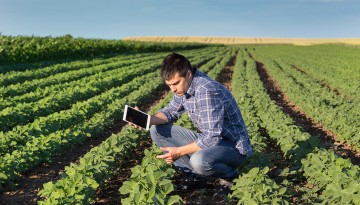
A team of Cornell researchers is exploring how digital agriculture could affect small and midsized farms, as well as its likely effect on the environment.
A new report from the Tata-Cornell Institute for Agriculture and Nutrition, has mapped opportunities for India to reduce hunger and improve overall nutrition by reorienting its agricultural policies in favor of more nutritious foods.
Cornell researchers are studying solar leasing on farmland in New York to better understand the economic, legal, and community issues associated with solar energy initiatives.
Due to the COVID-19 pandemic, $10 billion is urgently needed to prevent millions more people becoming food insecure, according to a new report by Cornell and international partners.
A single protein derived from a common strain of bacteria found in the soil will offer scientists a more precise way to edit RNA, according to new Cornell food science research.