When this year’s Empire Farm Days – the largest outdoor agricultural trade show in the Northeast – was forced online July 29-31 due to COVID-19, organizers from the Soil Health Center quickly transformed events into a virtual format.
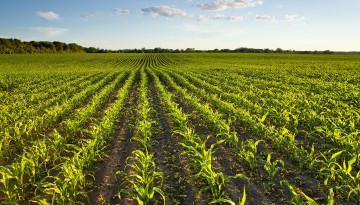
Some farmers will be facing a difficult conundrum amid climate change, according to a new study by researchers from Cornell and Washington State universities: either increasingly experience revenue volatility, or choose a more predictable decrease in crop yields.
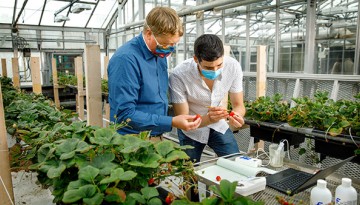
Thanks to a grant from the USDA, horticulture experts in the College of Agriculture and Life Sciences will help design new training programs for workers in controlled environment agriculture.
The Cornell Center for Materials Research is helping startup companies create new, innovative products by connecting them with university researchers while also boosting economic development in New York state.
A new Cornell study finds that when small-scale farmers are trained in food safety protocols and develop a farm food safety plan, new markets open up to them, leading to an overall gain in revenue.
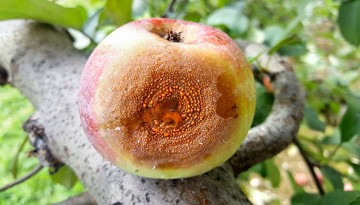
In a study of New York state apple orchards, Cornell plant pathologists have identified a new fungal pathogen that causes bitter rot disease in apples.
Cornell Atkinson has awarded seven Academic Venture Fund seed grants, totaling $1.1 million, for projects that engage faculty from eight Cornell colleges and 16 academic departments.
In a keynote address June 25, Ronnie Coffman described how Cornell efforts coordinating a global response to a wheat pathogen averted a global food disaster and continues to safeguard wheat around the world.
A Cornell-led team of researchers field-tested 14 active ingredients in insecticides, applied in a variety of methods, to understand the best treatment options against the Allium leafminer, a growing threat to onions, garlic and leeks.