Soil scientist Johannes Lehmann and Nathaniel Stern ’99 collaborated on experimental pyrolysis techniques to “age” modern technology and media – cellphones, laptops, tablets, floppy disks – for Stern’s art exhibit in Milwaukee.
Recyclable plastic containers with the No. 2 designation could become even more popular for manufacturers as plastic milk jugs, dish soap and shampoo bottles may soon get an environmental makeover.
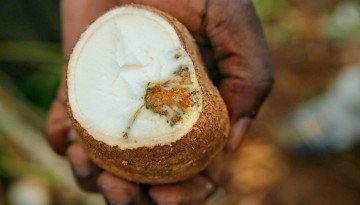
Alfred Ozimati, Ph.D. ’18, is breeding the latest in disease-resistant cassava that meets the needs of subsistence farmers, thanks to the NextGen Cassava project run by Cornell.
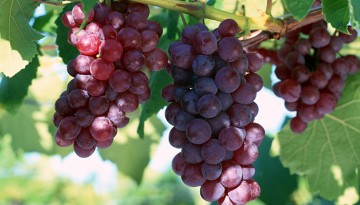
Researchers from Cornell and Pennsylvania State University are developing a high-tech, portable imaging system that will increase profits and yields by making winter grapevine pruning more efficient.
The International Agricultural and Rural Development major, in CALS, is celebrating 20 years of a partnership with Sathguru Management Consultants, the Cornell Sathguru Foundation for Development, and universities in India.
On topics ranging from oceanic disease to restraining invasive species from distant seas, Cornell faculty joined 10,000 scientists to discuss “Envisioning Tomorrow’s Earth” at the AAAS meeting in Seattle.
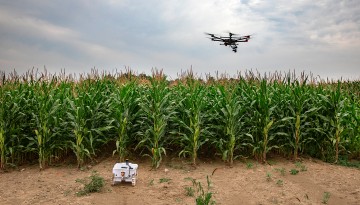
Students and faculty from the world’s five leading agricultural universities, including Cornell, will spend three days learning and brainstorming at the Cornell Initiative for Digital Agriculture’s second annual hackathon, Feb. 28-March 1.
Wojtek Pawlowski, associate professor of plant breeding and genetics, is partnering with French biotech company Meiogenix, with the goal of more effectively engineering maize, the world’s top staple crop.
Cornell researchers analyzed farmer preferences and found that the softness of cooked cassava is a major influence on what kinds of varieties farmers actually adopt.