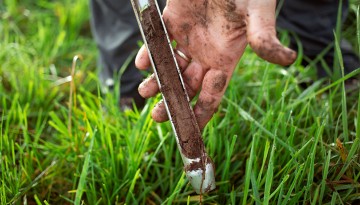
Researchers from Boyce Thompson Institute have found that plants manipulate nematode pheromones to repel the pests, which cause more than $100 million in damage to crops every year.
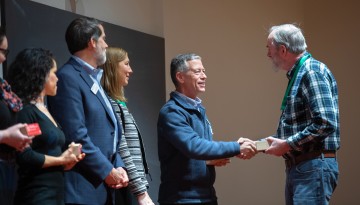
More than 200 attendees at Cornell’s Sustainability Leadership Summit heard how New York may be a leader in creating renewable energy and learned about the university’s own sustainability progress.
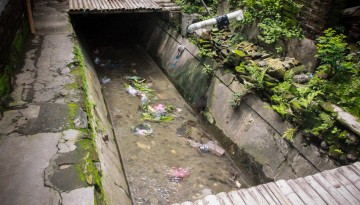
Cities in the “global south” – densely populated urban areas that are part of low-income countries in Asia, Africa and Latin America – should phase out pit latrines, septic tanks and other on-site methods of human waste management, according to a Cornell researcher.
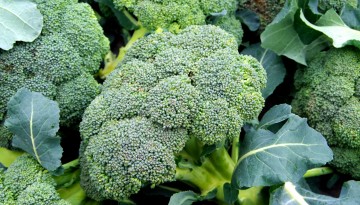
In tests, consumers in upstate New York were willing to pay more for broccoli grown in New York when they knew where it came from, Cornell researchers found.
Sweet meets heat in “We Cayenne Change the World,” a rich, velvety chocolate ice cream, with a burst of cayenne pepper. Get an extra scoop, as it won Cornell’s annual Food Science 1101 final project.