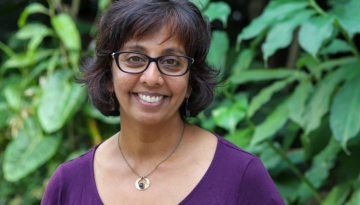
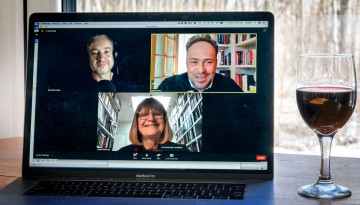
Under Anu Rangarajan’s direction, the Cornell Small Farms Program builds networks and cultivates relationships among new, aspiring, and longtime farmers across the state. During the past year, when staying connected feels harder than ever, Rangarajan, also an assistant director of Cornell Cooperative Extension, and her team created space for human connection and personal reflection.
Cornell will honor Nobel Prize winner Barbara McClintock, renowned Chinese scholar Hu Shih and the Cayuga Nation with names for new North Campus residence hall buildings.
Research Professor of Global Development KV Raman works to implement global partnerships for food and agriculture systems — bringing together Cornellians and partners in developing countries to build solutions for hunger, poverty and malnutrition.
For wineries, meeting COVID-19 guidelines was a sobering task, but some changes boosted business for the better, according to a Cornell survey presented at the recent B.E.V. NY conference.
Jeremy Scheck ’22 started making TikToks about cooking in his Collegetown apartment last year. Since then, he’s gained 2 million followers and a spotlight well beyond his expectations.
New York state’s premier leadership development program is now accepting applications for its next class of leaders in the food, agriculture and natural resources sectors of the Northeast.
Moshood Agba Bakare, a Ph.D. student in the field of plant breeding and genetics, has been awarded the Africa Fund Fellowship for graduate work focused on cassava breeding in sub-Saharan Africa.
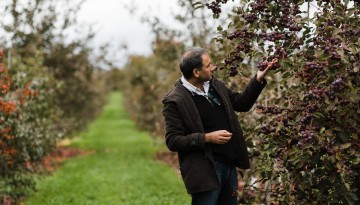
Rapid Apple Decline is a mysterious phenomenon that has been killing apple trees suddenly and without probable cause, leaving growers and scientists bewildered. Two scientists from CALS are on a mission to find its root cause.