Unprocessed red meat and processed meat consumption leads to a slightly higher risk of heart disease and premature death, according to a new study from researchers at Cornell and Northwestern University.
Cornell Engineering has announced winners of its Scale-Up and Prototyping Awards, which give teams of engineering faculty and students up to $40,000 to commercialize startup technologies.
Cornell researchers have determined that a hemp plant’s propensity to “go hot” – become too high in THC – is determined by genetics, not as a stress response to growing conditions.
Cornell researchers have created a soft robot muscle that can regulate its temperature through sweating. This technology will enable untethered, high-powered robots to operate for long periods of time without overheating.
New Cornell research indicates facial recognition abilities in wasps evolved relatively rapidly suggesting their increasing intelligence provided an incredible evolutionary advantage.
Cornell events this week include a talk with actress Vanessa Bayer; an impeachment law panel discussion; "Some Like It Hot" in a classic American cinema series; and a community concert with the Glee Club and Chorus.
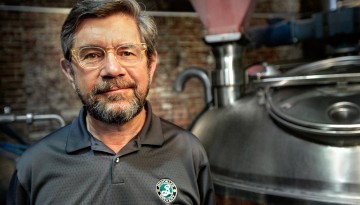
Steve Hindy ’71, MAT ’75, a former English teacher and international journalist who co-founded Brooklyn Brewery more than 30 years ago, has been named Cornell Entrepreneur of the Year 2020.
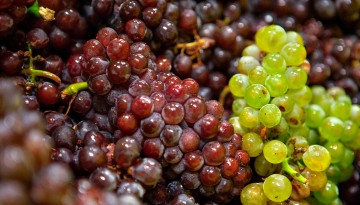
Transferring genetic markers in plant breeding is a challenge, but a team of grapevine breeders and scientists at Cornell AgriTech in Geneva, New York, has come up with a powerful new method.
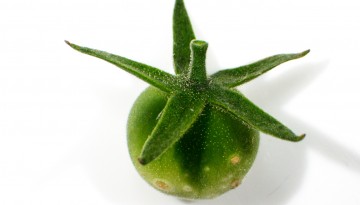
New research from the lab of Christine Smart in the College of Agriculture and Life Sciences shows that wild tomato varieties are less affected by deadly bacterial canker than traditionally cultivated varieties.