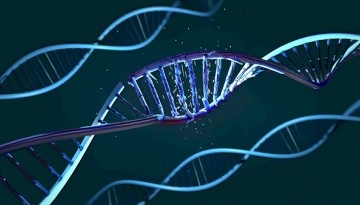
New Cornell-led research has found a strong connection between DNA damage triggered by mutations in proteins that surround the cell nucleus, known as lamins, and muscular dystrophy.
Of the approximately 1,500 stories posted by the Cornell Chronicle, research stories about air pollution, engineering and genetics were the four most-read stories of the past 12 months.
A Cornell-led collaboration has created a new material that will bring clarity and extra bandwidth to the next generation of cellphones and other high-frequency electronics.
At Cornell’s largest-ever winter graduate recognition ceremony, President Martha E. Pollack congratulated more than 540 graduates and encouraged them to continue to explore different perspectives through reading.
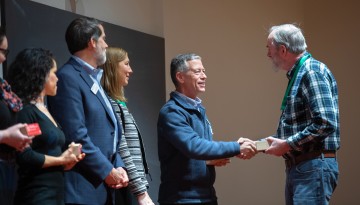
More than 200 attendees at Cornell’s Sustainability Leadership Summit heard how New York may be a leader in creating renewable energy and learned about the university’s own sustainability progress.
Joy Zhang ’21, a student in the College of Human Ecology, has won the Cornell Concerto Competition, held Dec. 15 in Barnes Hall. She performed Georges Hüe’s Fantaisie for Flute and Piano.
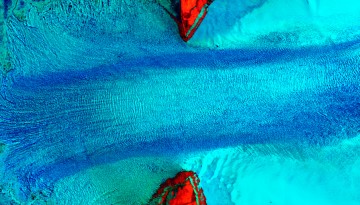
Cornell geologists, examining the desolate Vavilov ice cap on the northern fringe of Siberia in the Arctic Circle, have for the first time observed the rapid ice loss from an improbable new river of ice.