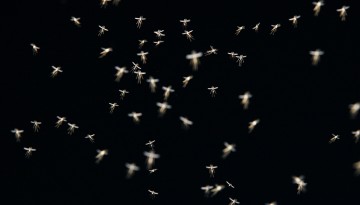
Four Cornell researchers took a deeper look at mosquito reproduction with the goal of helping humans combat outbreaks of diseases such as dengue and Zika, which are worsening as the climate warms.
Cornell researchers developed a first-of-its-kind model to control traffic and intersections in order to increase autonomous car capacity on urban streets, reduce congestion and minimize accidents.
More than 100 engineering students let off some end-of-semester steam and tried not to blow any gaskets at the annual Robotics Day competition, held Dec. 10 in Duffield Hall atrium.
A new system developed by Cornell Tech researchers will allow thousands of patients of community health care workers in rural Africa to use a basic tool on their mobile phones to provide feedback about their care.
Barbara A. Knuth, dean of Cornell’s Graduate School, is the 2019 recipient of the Debra W. Stewart Award for Outstanding Leadership in Graduate Education, given by the Council of Graduate Schools.
A chance meeting of two Cornell researchers led to a collaboration and new understanding of how bacteria resist toxins, which could lead to new tools in the fight against harmful infections.
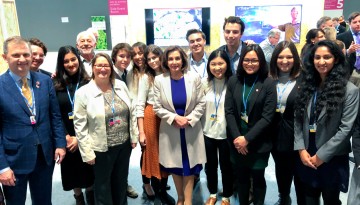
U.S. House Speaker Nancy Pelosi visited with Cornell students at the 25th annual United Nations’ Conference of the Parties climate change conference, Dec. 3 in Madrid, Spain.
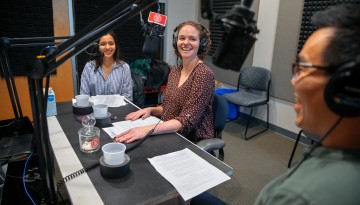
The Intergroup Dialogue Project has expanded its engagement with the Cornell community with workshops tailored to professional students and academic advisers, and a new podcast.