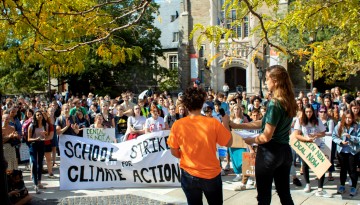
Cornell students participated in a weeklong kaleidoscope of climate change-awareness that involved strikes, symposia and meeting world leaders in New York City.
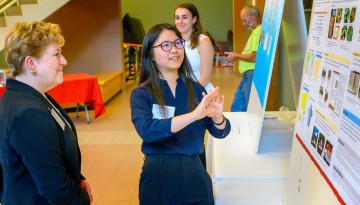
Twenty-nine Cornell undergraduates spent their summers working and conducting research in communities across New York state as Cornell Cooperative Extension interns.
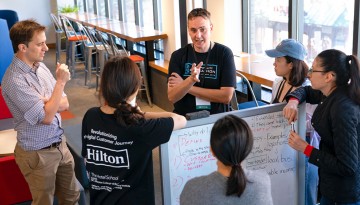
A proposed app enhancement to help hotel guests select rooms matching their preferences earned a team of Cornell freshmen the $3,000 grand prize at the Hilton Hospitality Hackathon held Sept. 20-22.
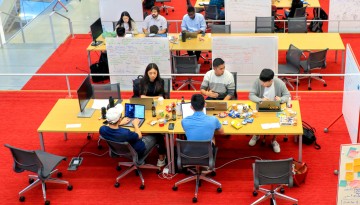
The College of Architecture, Art and Planning is partnering with Cornell Tech on a pilot program that sends master’s students in matter design computation to the New York City campus for a semester.
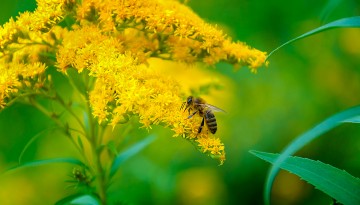
New research finds that, under threat, plants can communicate with one another in the form of airborne chemicals known as volatile organic compounds, which transfer information.
A multidisciplinary team with the Cornell Wildlife Health Lab has created StaPOPd, an online tool that tells users how many plants or animals they need to introduce into a habitat in order to establish a stable population.
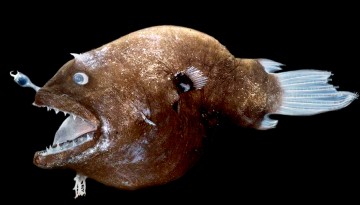
Researchers, including Tory Hendry, assistant professor of microbiology, have uncovered new insights into a symbiosis between bioluminescent bacteria and deep-sea anglerfish.
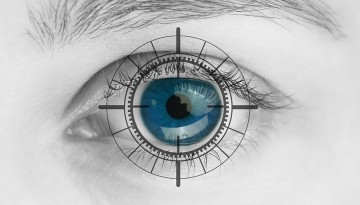
Cornell and Stanford University researchers have solved the three-dimensional structure of a protein complex involved in vertebrate vision at atomic resolution.