A collaboration between Cornell and r4 Technologies will develop and apply artificial intelligence solutions to structural challenges that have hindered growth and modernization, and will train a new generation of students to thrive in a data-driven world.
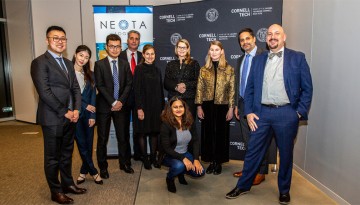
A new class, Delivering Legal Services Through Technology, combined hands-on technical training with a speaker series to provide LL.M., J.D. and MBA students with both the broader context and the technological know-how they’ll need in an evolving field.
The Partnership for the Public Good, founded in Buffalo in 2007 by the ILR School, is working with local groups to make the city a model of urban regeneration and create policies advancing equity and sustainability.
Robots that sense and adjust their position relative to their surroundings is the subject of the latest work from Rob Shepherd, associate professor of mechanical and aerospace engineering.
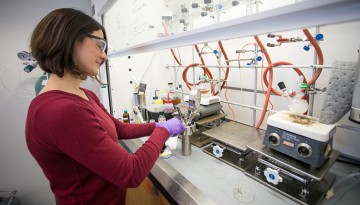
The U.S. Department of Energy has granted $1.7 million to Cornell startup Ecolectro so the company can produce hydrogen fuel more easily and inexpensively.
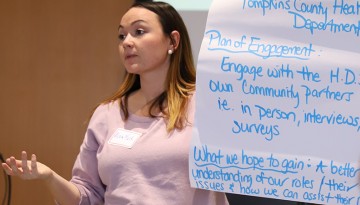
The inaugural Engaged Graduate Student Institute brought students across campus together Nov. 9 to learn how to conduct research while making a positive impact on the community.
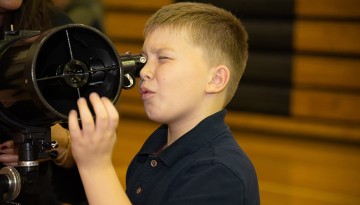
The opportunity to send a science experiment into orbit drew dozens of children and their families to Space Night at Case Middle School in Watertown, New York, Nov. 9.