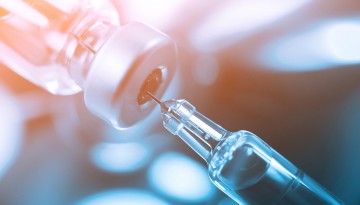
Researchers devised a new method of using extracts to create shelf-stable vaccines on demand, a potentially game-changing approach to fighting infection in regions that have limited access to such medicines.
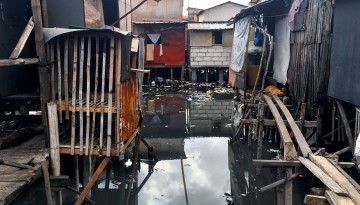
In coastal regions of the Philippines, ties to the community motivate most people to stay in their homes despite the risks of frequent, severe floods, Cornell research finds.
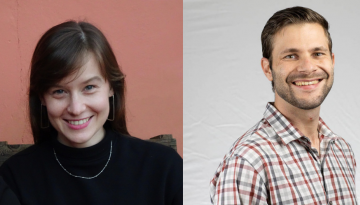
In the Three Minute Thesis competition, graduate students compete for monetary prizes by distilling their thesis or dissertation research into a three-minute presentation in front of a non-technical audience.
The Board of Directors of the Council of Graduate Schools (CGS) has announced that Dr. Jan Allen, associate dean of academic and student affairs of the Graduate School at Cornell University, is the 2020 winner of the Assistant and Associate Deans Leadership Award.
As the spring semester begins, a team of engineering students and faculty has finished tweaking the master schedule, using lessons they learned last fall during their heroic effort to help Cornell safely hold in-person classes.
A Cornell-led collaboration has developed a noninvasive blood test that uses cell-free DNA to gauge the damage that COVID-19 inflicts on cells, tissues and organs, and could help aid in the development of new therapies.
When it comes to evaluating news, people tend to trust the opinions of a large group whether it’s composed of liberals or conservatives, new Cornell Tech research has found.
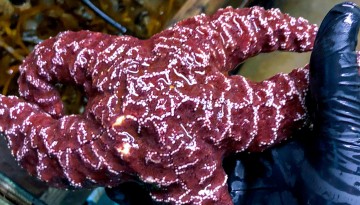
New Cornell-led research suggests that starfish, victims of sea star wasting disease, may actually be in respiratory distress, as nearby organic matter and warming oceans rob them of their “breath.”
Halomine, a Cornell-based startup developing cutting-edge technologies for the sanitation of food processing equipment, has been awarded $600,000 from the USDA’s National Institute of Food and Agriculture.