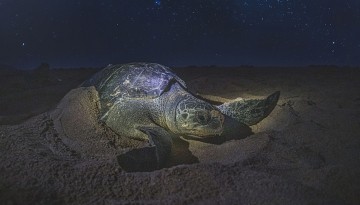
A new study led by Colleen Miller, Ph.D. ’23, suggests light pollution’s effects on coastal marine ecosystems are negatively impacting everything from whales and fish to coral and plankton.
Fei-Fei Li, co-director of Stanford’s Human-Centered AI Institute, will discuss AI’s role in improving patient safety in health care in the annual Cornell Center for Social Sciences Distinguished Lecture in the Social Sciences, on Oct. 5 in Statler Auditorium.
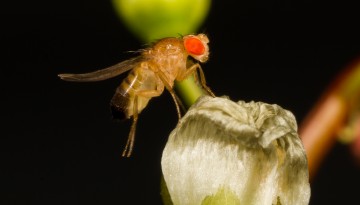
A NIH-funded project, led by Itai Cohen, professor of physics, will use the fruit fly to study how the brain processes multisensory information involved in flight, possibly offering insight into human neurological function.
NPR media correspondent David Folkenflik ’91 has been named the 2023-24 Zubrow Distinguished Visiting Journalist in the College of Arts and Sciences. The program brings accomplished journalists to Cornell each year.
The 20 finalist startups battling for $3 million in prize money in the fifth annual Grow-NY Food and Agriculture Business Competition were selected from more than 320 applicants, including 81 entries from New York state.
A new study from an ILR School researcher offers a pathway to reducing bias in hiring while preserving managers’ autonomy – by encouraging hiring managers to avoid receiving potentially biasing information about applicants.
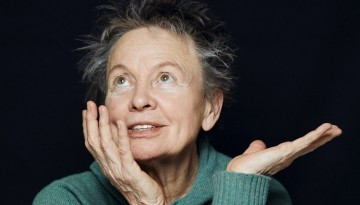
Pioneering multimedia artist Laurie Anderson will offer a public talk in the Schwartz Center for the Performing Arts as part of the College of Arts and Sciences’ Arts Unplugged series during her two-day visit to campus.
Ratings on online platforms can greatly impact high-priced New York City restaurants that service tourists, but have less of an effect on restaurants frequented by “locals” outside of tourist areas, according to new Cornell research.