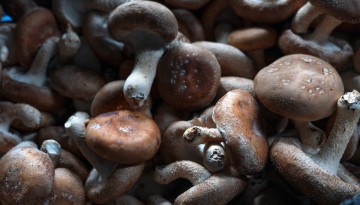
With Cornell's help, an Amish farmer grows shiitake mushrooms and solves his financial woes, and an entrepreneur and a chef, both from China, use the mushrooms for a sauce that is now on the market.
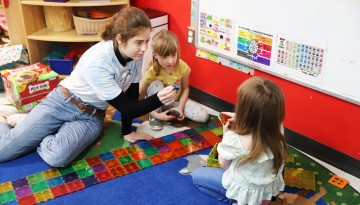
Students in the Big Red Buddies program volunteer their time to assist in classrooms with the Tompkins County Early Head Start and Head Start program, which promotes healthy child development and education for low-income families.
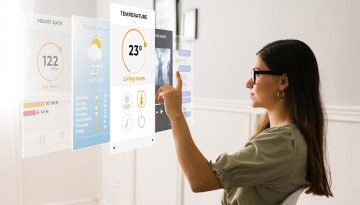
Someone wearing augmented reality, or “smart,” glasses could be Googling your face, turning you into a cat or recording your conversation – and that creates a major power imbalance with the nonwearer, Cornell researchers have found.
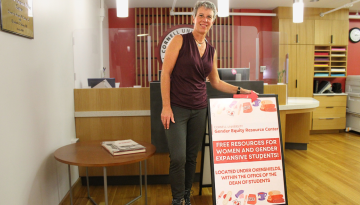
As part of an ongoing goal to better meet the needs of both women and students who identify outside the gender binary, The Women’s Resource Center was renamed the Gender Equity Resource Center on August 7, 2023.
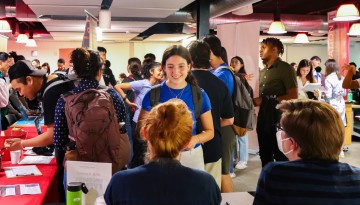
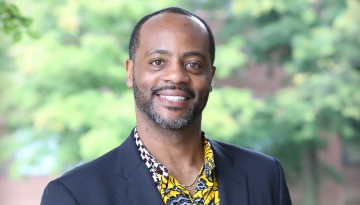
Electrical and computer engineering alumnus Coalton Bennett, Ph.D. ’10, spoke about the importance of mentoring during the alumni keynote at the 2023 Summer Success Symposium, an opportunity for incoming students.
Chromium hydride, a molecule that’s relatively rare and particularly sensitive to temperature, is useful as a “thermometer for stars,” according to astronomer Laura Flagg in published research.
Justine Modica is examining the history of care that families and childcare workers have configured in recent decades, describing conflicting approaches to how to grow and shape the childcare workforce.