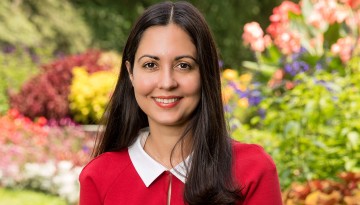
A book by Liliana Colanzi, assistant professor of Romance studies, has won the Ribera del Duero prize, honoring the best short stories in Latin America and Spain.
Despite persistent gaps in workforce participation, when it comes to wanting to work, the gender gap has all but disappeared over the last 45 years, according to Cornell sociologist Landon Schnabel.
After honing her wine skills through eCornell classes, NASA engineer Rada Griffin launched Anissa Wakefield Wines, becoming the first certified Black woman winemaker in Alabama.
An exhibit at the Paleontological Research Institution’s Museum of the Earth in Ithaca – created in collaboration with Cornell entomologists – offers a fascinating education in the diversity of insects and their importance to life on Earth.
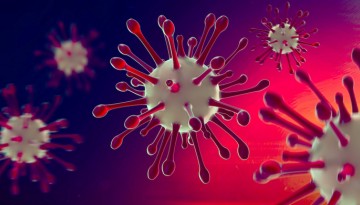
A newly discovered small molecule could be sprayed into people’s noses to prevent COVID-19 illness prior to exposure and provide early treatment if administered soon after infection, according to a study in mice led by Cornell researchers.
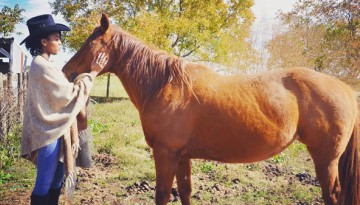
Weaving eastern and western veterinary medicine approaches in her private practice while also building a vibrant brand and media presence, Aziza Glass, D.V.M. ’15, has crafted a unique and rewarding career niche for herself.
Assistant professor Dr. Jacquelyn Evans is the first faculty member supported by the new Cornell Margaret and Richard Riney Canine Health Center, where her research on canine genetics will play a key role in helping dogs live longer, healthier, happier lives.
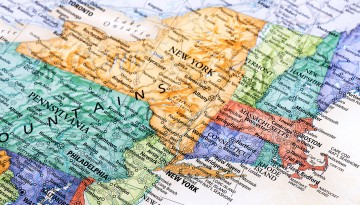
An analysis of newly released census data by the Cornell Program on Applied Demographics shows how the pandemic’s onset influenced populations in each New York state county.
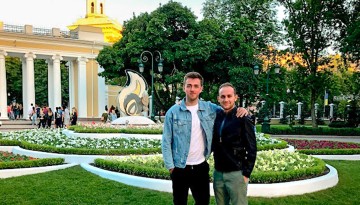
Mark Kreynovich ’19, who was born in Ukraine, and Dillon Carroll ’20 are bringing medical and other supplies to Ukraine, translating, and coordinating housing for refugees.