A new grant will fund Cornell research into better understanding and supporting the global supply chain, whose vulnerabilities were exposed by the COVID-19 pandemic.
Cornell’s network of business incubators and accelerators have developed into a growing and robust entrepreneurial engine nurtured with resources, training and mentorship that help faculty, research staff and graduate students launch marketable ideas and technologies.
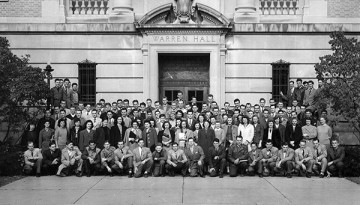
The ILR School was founded in 1945 to help resolve labor-management conflict by educating both business and labor leaders. Celebrating their 75th anniversary in 2020-21.
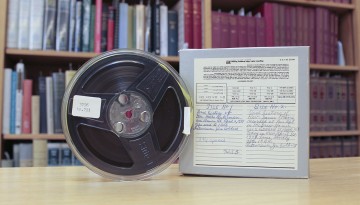
Digging deep into family history? Try Cornell University Library. Not only a trove of primary sources for scholarship, the numerous archives of Cornell University Library also can bring back vivid memories and illuminate gaps in personal stories.
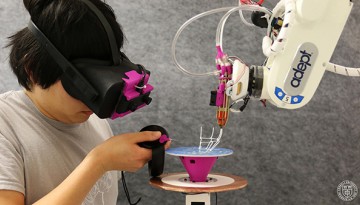
You Can Make it Happen: makers in information science, music on the Arts Quad, conservation of an important work of art, and digitization of campus activism collection.
As the coronavirus pandemic unfolded, students in Janis Whitlock’s graduate seminar on translational research found themselves in a unique position – being able to participate in a widespread journaling project to record their hopes, fears and routines, chronicling COVID-19’s effects on their daily lives and relationships.
A new research field – “environmental technology, or envirotech” – is emerging during an age when food systems span the globe, waste pollutes the natural world and natural disasters seem to have higher impacts on communities.
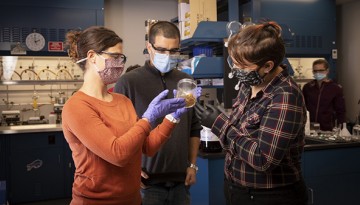
A Cornell-led project will use computer modeling and outreach to find optimal strategies to minimize COVID-19 cases and transmission among workers in food processing facilities, while maintaining the best possible production.