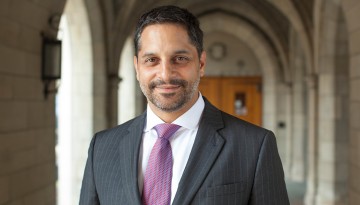
An International Labor Organization standard that helps protect the world’s domestic workers has sparked change in some areas of the world, Adelle Blackett said in the ILR School’s annual Cook-Gray Lecture on Oct. 15.
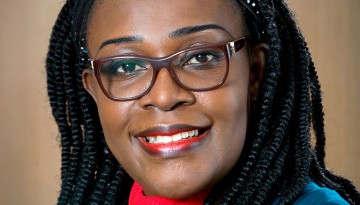
Irene Sumbele, a visiting scientist with the Master of Public Health program at the College of Veterinary Medicine, has been named the 2020 Beau Biden Scholar by the Institute of International Education’s Scholar Rescue Fund.
David Bateman, associate professor of government in the College of Arts and Sciences, will moderate “Democracy Contested?” in an online Cornell community forum Oct. 29 with three fellow faculty experts.
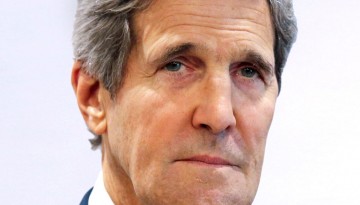
John Kerry, secretary of state in former President Barack Obama’s administration, will be the Belnick Family LaFeber/Lowi Presidential Forum speaker Oct. 29.
A comprehensive review of student mental health on the Ithaca campus was released Oct. 22, and the university is seeking input from the campus community to help prioritize the report’s recommendations.
Cornell University Library’s annual Grants Program for Digital Collections in Arts and Sciences is funding three projects aimed at conserving fragile, physical artifacts and digitizing them for research and scholarship.
Eduardo M. Peñalver ’94 will step down as the Allan R. Tessler Dean of Cornell Law School in January and depart for Seattle University next summer. Jens David Ohlin, vice dean and professor of law, will take over as the Law School’s interim dean.
A new partnership will develop a digital-first alumni publication as part of an information “hub,” bringing the best of Cornell Alumni Magazine, Ezra magazine and much more to Cornell alumni and friends around the world beginning next summer.