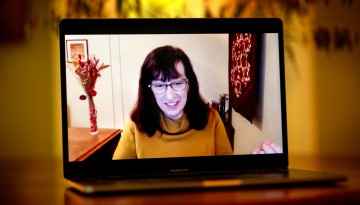
Despite the challenges of the pandemic, the Cornell community continues to pursue its mission and to thrive, President Martha E. Pollack said Oct. 20 in her fourth annual address to staff.
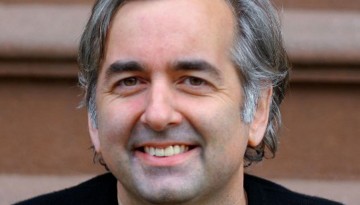
Chad Dickerson, former CEO of Etsy and a Cornell Tech fellow, will share his story in “The Journey Up: From English Major to Etsy,” Oct. 28 as part of the Milstein Program in Technology and Humanity’s fall 2020 “In Focus Speaker Series.”
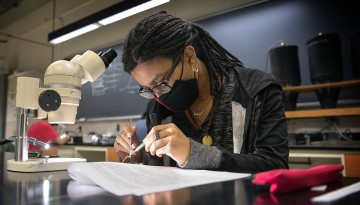
This semester, virtual, in-person and hybrid classes across disciplines are employing innovative ways to leave students with safe but lasting educational experiences.
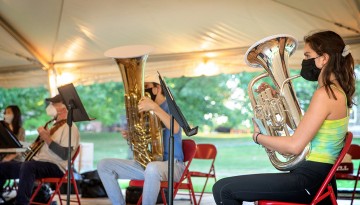
Instrumental music professors have gotten creative during the pandemic, using various approaches to teaching this semester in an effort to give their students the best experience possible.
Some exoplanets – planets from beyond our own solar system – have a direct line of sight to observe Earth’s biological qualities from far, far away, according to research led by Lisa Kaltenegger, director of the Carl Sagan Institute.
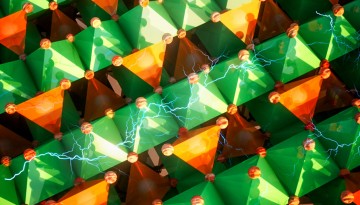
An interdisciplinary team’s work will help researchers who are custom-tailoring the properties of metal oxides in technologies such as lithium ion batteries, fuel cells and electrocatalysis.
Nondisclosure agreements implemented by the Trump White House likely infringe on the First Amendment rights of government employees and the press, according to a report by Cornell Law School’s First Amendment Clinic.
More than 700 people attended “Ballots and Borders: Election 2020; What’s at Stake for International Students and Scholars,” a webinar on Oct. 19 featuring Cornell Law School immigration expert Stephen Yale-Loehr.