Visiting artists and directors will join local artists, scholars and activists for “Feminist Directions” March 15-16 at the Schwartz Center, a public symposium with interactive lectures, performances and workshops.
At Soup & Hope Feb. 28, Imani Majied '19 described how she moved past labels to define her self-worth and focused instead on service to others and a purpose outside herself.
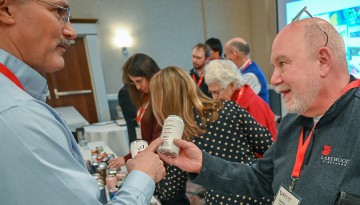
More than 300 winemakers, grape growers, distributors, marketers, educators and others attended the sixth annual B.E.V. NY conference and symposium Feb. 27-March 1.
Noted Bollywood director Nandita Das brings her breakout 2018 film “Manto,” the story of maverick writer Saadat Hasan Manto during the Partition of India, to Cornell March 14.
More than two dozen student designers will have their work featured in a professional fashion show put on by the Cornell Fashion Collective, March 9 in Barton Hall.
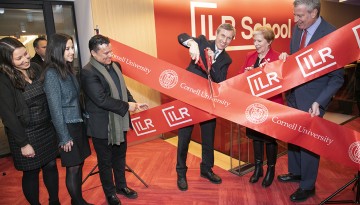
The ILR School held an opening ceremony Feb. 28 for its New York City hub, at the historic GE building at 570 Lexington Ave., which will be a center for ILR and nine other colleges and programs.