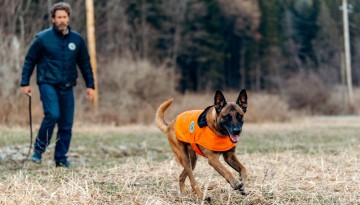
Dogs have highly sensitive noses, a trait environmental conservationists, land managers and plant disease specialists are harnessing to sniff out invasive species.
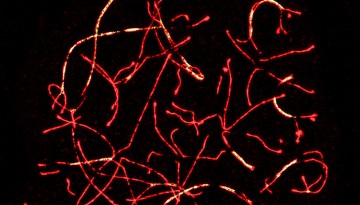
A free weekly research webinar series organized by a Cornell faculty member has more than 1,000 viewers – with more expected – and is quenching a thirst for science and interaction felt by researchers around the world.
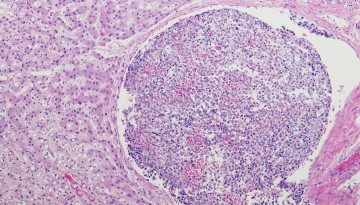
A new study identifies some of the most critical genes that may drive a rare but deadly liver cancer, providing a road map for developing drugs that target those genes.
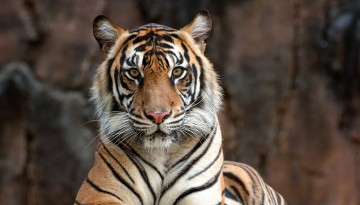
A 4-year-old tiger at the Bronx Zoo tested positive for COVID-19 on April 5, the diagnosis confirmed thanks in part to an assist from Cornell’s Animal Health Diagnostic Center.
In the battle to keep workers safe during the COVID-19 pandemic, nearly 40 craft distilleries in New York state have turned to making hand sanitizer with guidance from Cornell AgriTech.
The Cornell College of Veterinary Medicine announces the establishment of the Cornell Wildlife Heath Center, which aims to catalyze multidisciplinary collaboration to address global wildlife health challenges.
James Morin, professor emeritus, co-discovered a new species of Caribbean ostracod nicknamed the “Star of the Sea” seed shrimp, which uses its bioluminescence as both a defense mechanism and for courtship.