Ecologist and conservation biologist Amanda Rodewald studies birds and the ecosystems on which they depend, looking for the best outcomes for people and the planet. This approach turned her attention to coffee farms.
When biology major Brian Lee started Cornell in August 2016, he did not realize he wanted to research cancer and study medicine. With thanks to his mentor, he will.
Cornell researchers have sequenced and analyzed the genome of a single-celled alga that belongs to the closest lineage to terrestrial plants and provides many clues to how aquatic plants first colonized land.
Students reflected on their learning experiences and future goals in community engagement as they completed a leadership certificate program this spring.
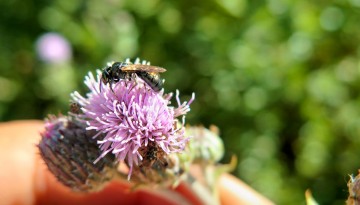
A new study on bees, plants and landscapes in upstate New York sheds light on how bee pathogens spread, offering possible clues for what farmers could do to improve bee health.
Philippa Johnson, a clinical radiologist in the Cornell College of Veterinary Medicine, has created feline, canine and equine brain atlases to help improve magnetic resonance imaging diagnostics.
Amid the challenges of shifting to virtual learning, students and faculty found opportunities for innovation, connection and intellectual growth. Here are snapshots of six courses that took creative approaches to their online formats.
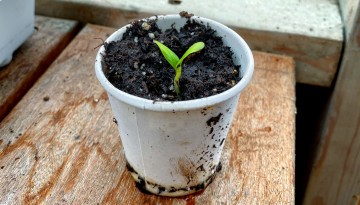
The lab of Margaret Frank, assistant professor of plant biology, has helped create nearly 1,000 at-home gardening kits, which they donated to children in the Ithaca City School District during meal delivery May 8.