The funding will support preliminary disease-related research, in the latest in a series of efforts to create new opportunities for interdisciplinary research.
Participation in the immersive Florida Field Course led to positive professional outcomes, higher rates of publications, and faculty positions at research institutions, according to a new study from Cornell ecology and evolutionary biology researchers.
The Albert’s lyrebird is a talented mimic, but as its rainforest habitat in Australia shrinks, so does the number of sounds that the bird can produce, degrading lyrebird culture.
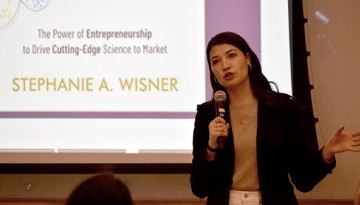
On Nov. 18, Stephanie Wisner '16 discussed her career path and new book, "Building Backwards to Biotech: The Power of Entrepreneurship to Drive Cutting Edge Science to Market," with Cornell's entrepreneurial community.
The Cornell Jeb E. Brooks School of Public Policy Executive Master of Health Administration (EMHA) was ranked as a top 10 national program based on ratings from the program's alumni.
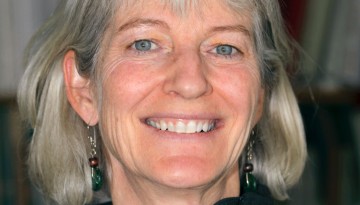
Drew Harvell, professor emerita of ecology and evolutionary biology who studies sustainable marine biodiversity, is one of seven U.S. researchers named 2023 U.S. Science Envoys by the Department of State.
Researchers from the Department of Communication state that at the current rate of diversification, U.S. colleges and universities will never achieve racial parity that’s on par with the rest of the country, but that steps can be taken to make it happen.
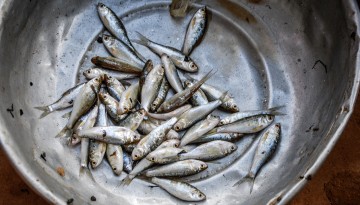
Inexpensive, small fish species caught in seas and lakes in developing countries could help close nutritional gaps for undernourished people, and especially young children, according to new research.