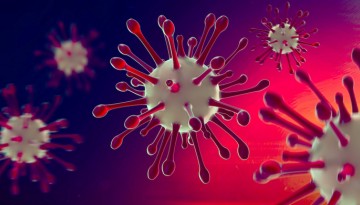
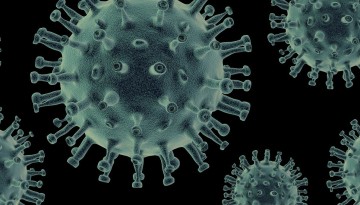
A highly innovative method using the latest technology opens myriad new avenues for research, for understanding the biology behind COVID-19, and for identifying new treatments that target protein binding sites.
President Martha E. Pollack announced the faculty members honored with the Stephen H. Weiss Awards, which recognize excellence in undergraduate teaching and mentoring.
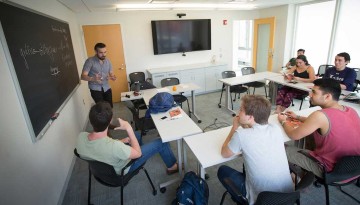
“Understanding the impact of Languages Across the Curriculum on all participants will allow us to build on its success and offer multilingual students more opportunities to engage with their disciplinary content in languages other than English."
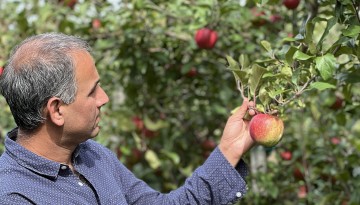
A team of researchers has sequenced the Honeycrisp apple genome, a boon for scientists and breeders working with this popular and economically important cultivar.
Co-host Liz Kellogg, assistant professor of molecular biology and genetics: "In every interview, we heard stories that we hadn’t expected and learned something new about each other and about the field."
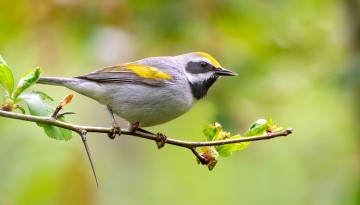
The 2022 State of the Birds Report reveals that birds are declining overall in every habitat, except wetlands – a finding that could provide a viable strategy for improving outcomes for all birds.
Assistant professors conducting innovative research in the life sciences are eligible for the new Schwartz Research Fund Visionary Grant, which will provide $375,000 for research that opens an important new line of inquiry.
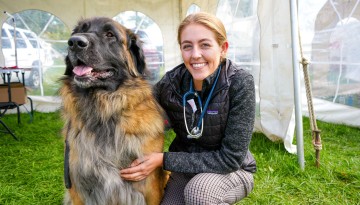
Cornell vet students shadowed breeders and vets at the Wine Country Circuit Dog Show, held Sept. 29 to Oct. 1 at Sampson State Park in Romulus, New York.
A new Cornell research project aims to gain a better understanding of how populations of microbes interact on surface environments, such as human skin, where their dynamics are not fully understood.