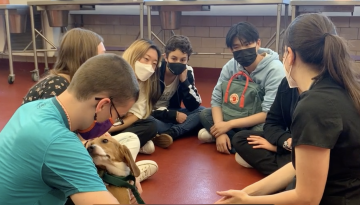
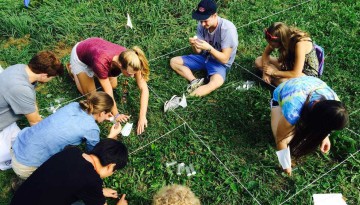
High School students from around the world come to Cornell University to live on campus and study vet medicine during the summer. They work with Cornell faculty, earn college credit, and earn a Cornell transcript.
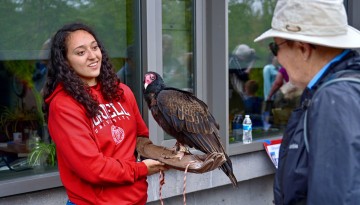
For the first time since 2019, the Cornell Lab of Ornithology’s free Migration Celebration – marking the biannual phenomenon of bird migration – is being held as an in-person event.
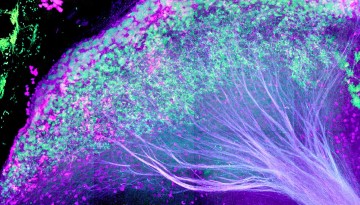
A tiny but important area in the middle of the brain acts as a switch that determines when an animal is willing to work for a reward and when it stops working, according to a new study.
U.S. Senator Kirsten Gillibrand, a member of the Senate Agriculture Committee, visited Cornell Aug. 29 to champion agricultural conservation and climate-smart farming provisions in the Inflation Reduction Act and highlight related research and extension efforts in the College of Agriculture and Life Sciences.
Workplace burnout is costing the veterinary industry two billion dollars a year, according to research from the Cornell Center for Veterinary Business and Entrepreneurship.
While many scientists say field courses shaped their careers and benefit their students, few studies quantify their effects. Cornell researchers want to change that.
Klarman Fellows pursue research in any discipline in the College, including natural sciences, social sciences, humanities and the creative arts as well as cross-disciplinary fields. The application deadline is October 14.
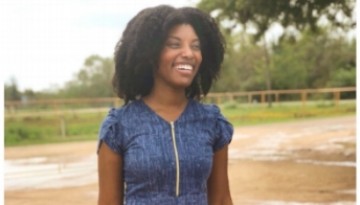
Aziza Glass D.V.M. ‘15, owner of Personal Touch Veterinary Clinic and a star on the Disney XD and Hulu show “Roman to the Rescue." is the next guest on the Startup Cornell podcast.