A New York state survey, supported by Cornell bee experts, finds that more than half of important native pollinators may be at risk of disappearing from the state – potentially threatening crops, wildflowers and insect diversity.
This award recognizes a veterinary researcher on the basis of lifetime achievement in basic, applied or clinical research. Winners are selected on the total impact their career has had on the veterinary or biomedical professions.
Now in its 19th year, the ASPCA Cornell Maddie’s ® Shelter Medicine Conference drew more than 300 veterinarians, technicians, clinic staff and students from across the country.
Students and lifelong learners are invited to explore a new interest, enhance their resume or strengthen their professional skills through Cornell’s Fall Part-Time Study Program, which runs Aug. 22 – Dec. 17, 2022. Registration for most students begins August 1.
Nexus Scholars working this summer with Juno Salazar Parreñas are studying how human health is intricately connected to the health of animals, plants and the environment.
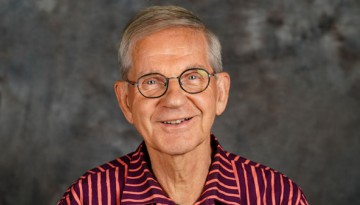
Dan Aneshansley, Ph.D. ’72, professor emeritus of biological and environmental engineering, whose research impacted the state’s dairy and fruit production, died July 3. He was 79.
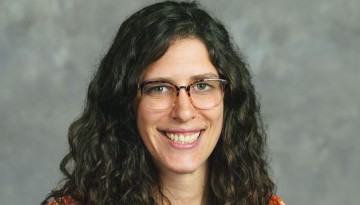
Dr. Corinna Noel, assistant professor of practice in the Department of Public and Ecosystem Health, recently joined the College of Veterinary Medicine.