Cornell researchers have provided the first documentation that dogs’ sense of smell is integrated with their vision and other unique parts of the brain, shedding new light on how dogs experience and navigate the world.
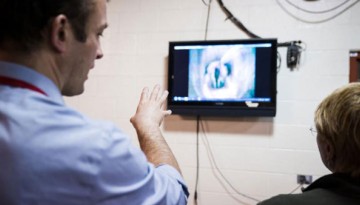
Jonathan Cheetham, Ph.D. ’08, associate professor at the College of Veterinary Medicine, is making important forays into equine airway research, with a clinical interest in upper airway surgery and equine sports medicine.
The inductees hail from all around the country and come with a variety of backgrounds experiences, ranging from working at the American Institute for Goat Research to volunteering for Cornell University’s Emergency Medical Service.
Under the new agreement, Cornell and CARPHA will explore ways to address the complex public health challenges facing Caribbean nations and provide Cornell students and faculty the opportunity to collaborate with Caribbean public health organizations.
This spring, College of Veterinary Medicine students honed communications skills by creating materials about zoonotic diseases in the course “Veterinary Practice: Public Health.”
Marc Glassman's longtime support of Maddie’s ® Shelter Medicine Program at Cornell comes from his love of animals, especially as it aligns with his approach of making a difference locally.