After many rounds of brainstorming, the lab group found inspiration during President Joe Biden’s inauguration on Jan. 20, when Gorman read her poem, “The Hill We Climb.”
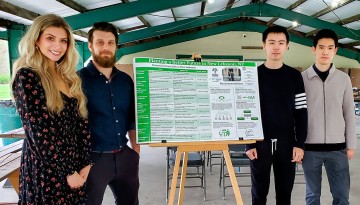
Master’s students are helping New Lebanon, New York expand its economy with green technology jobs, and drafting a blueprint for similar communities statewide.
Solving problems like climate change could require dismantling rigid academic boundaries, so that researchers of various backgrounds may collaborate through an “undisciplinary” approach.
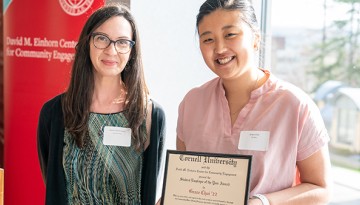
Joy Davis ’22 and Grace Choi ’22 were named Community Work Study Program Student Employees of the Year for their leadership, professionalism and teamwork in jobs that help improve the lives of community residents.
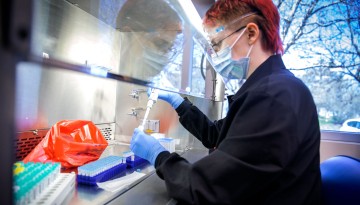
Robust collaboration between community partners and Cornell has resulted in more than 2 million COVID-19 tests, saving lives throughout the Finger Lakes region.
Found in a glue trap meant to capture insects, the small bird was taken to Cornell’s Janet L. Swanson Wildlife Hospital after its rescuers attempted to free the creature from the powerful adhesive.
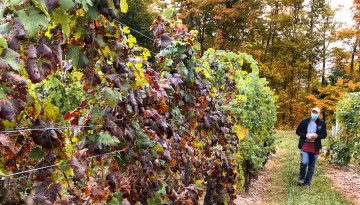
Removing not only a diseased grapevine but the two vines on either side of it can reduce the incidence of leafroll disease, a long-standing bane of vineyards around the world, Cornell researchers have found.
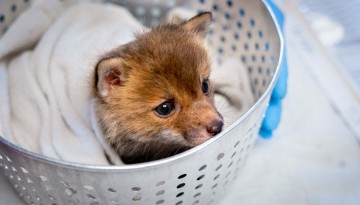
A red fox kit found in Cortland County with its paw caught in a plastic rat trap is on the mend at Cornell’s Janet L. Swanson Wildlife Hospital, where veterinarians, licensed veterinary technicians and students are helping get the fox back to full health.
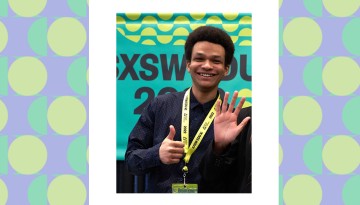
"I saw what I am capable of when I am challenged" - that's what University of Buffalo freshman Donovan Blount says about a course developed at Cornell by two professors in the Jeb E. Brooks School of Public Policy. The leader of a national education equity organization says professors Maria Fitzpatrick and Matthew Hall are "academic heroes."