Cannabis employers see lack of training and skills, as well as lack of awareness of career opportunities, as two of the largest obstacles to achieving social equity in the adult-use market.
Three teams have been awarded Public Issue Network Grants, providing up to $30,000 in funding for each project over three years. The grants support faculty, staff, students, alumni and community partners as they weave broader, more effective networks of potential collaborators, coordinate resources and increase the impact of their work on a particular social issue.
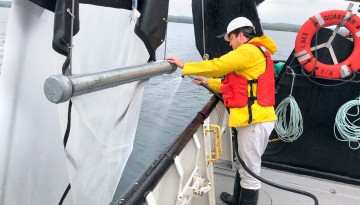
Cornell received the grant to continue efforts to monitor and research the lower part of the food web, particularly zooplankton like Mysis and benthic invertebrates.
Students aim to reduce aviation emissions, support farmworkers and improve a New York animal shelter with the David M. Einhorn Center for Community Engagement’s Serve in Place awards.
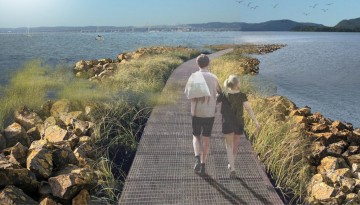
With the Hudson River rising from a fast-warming climate, the cities and towns along its banks now have an opportunity to save and reimagine their municipal waterfronts.
Local officials, graduate students and faculty held a simulation exercise at the Cornell Jeb E. Brooks School of Public Policy on March 12 to work through questions around autonomous vehicles.
An exhibit at the Paleontological Research Institution’s Museum of the Earth in Ithaca – created in collaboration with Cornell entomologists – offers a fascinating education in the diversity of insects and their importance to life on Earth.
An analysis of newly released census data by the Cornell Program on Applied Demographics shows how the pandemic’s onset influenced populations in each New York state county.
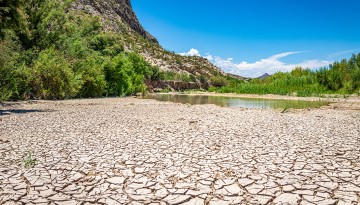
By the end of this century, Cornell’s Flavio Lehner and others said that megadroughts – extended drought events that can last two decades – will be more severe and longer in the western U.S. than they are today.