Strengthening existing federal food safety laws can keep producers – and those all along the supply chain – from lagging behind industry standards to protect consumers.
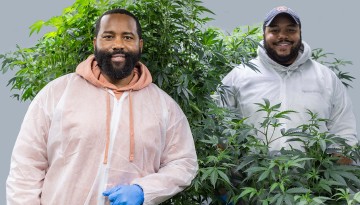
Cameron Wesley Scott, M.M.H. ’21, and Jeremiah Swain, M.M.H. ’20, hope to create one of upstate New York’s first boutique cannabis hotels and make social change at the same time.
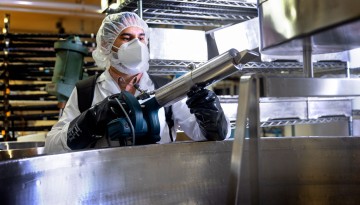
In the arid world of processing flour and food powders, where using water to sanitize is impossible, Cornell researchers are studying dry, superheated steam.
The stories of fictional freedom seekers ring out on the new “Voices on the Underground Railroad” website, a collaborative effort between Cornell students and community members.
Researchers at the College of Veterinary Medicine, in collaboration with the Tompkins County Health Department and Cayuga Health System, are conducting a COVID-19 community health survey to estimate levels of COVID infection and immunity in the county.
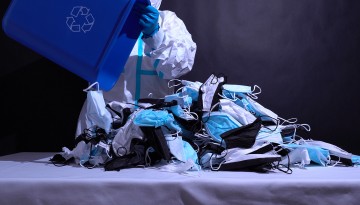
Forget incineration or landfills. To resolve the increasing, never-ending waste stream of medical PPE as a result of the pandemic, Cornell engineers suggest recycling via pyrolysis.
Low wages have driven an 11% drop in the child care workforce in Erie County and have resulted in economic repercussions for families and the local economy.