Designing a recycling strategy for a new generation of photovoltaic solar cells will add a strong dose of environmental friendliness to a green industry.
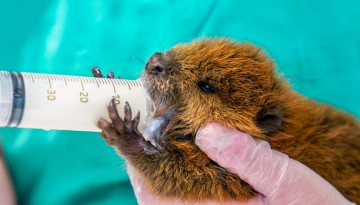
The Cornell Wildlife Hospital helped care for a litter of baby beavers, whose parents were trapped and killed at Lake George in the Adirondacks, nursing three of the surviving five back to health before sending them for rehabilitation.
A two-year, $200,000 grant from the USDA and the Extension Foundation to Cornell researchers aims to help promote vaccine confidence and uptake in vulnerable communities in eight New York counties, both upstate and downstate.
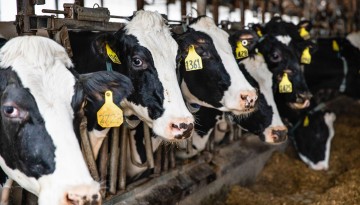
Four undergraduates from New York state who are majoring in animal science each received $20,000 scholarships this past year through the Chobani Scholars Program, to help them achieve their dairy career ambitions across four years of study.
Twenty faculty and professional staff members in four of Cornell’s state contract colleges have been selected for the 2020–21 State University of New York Chancellor’s Awards for Excellence.
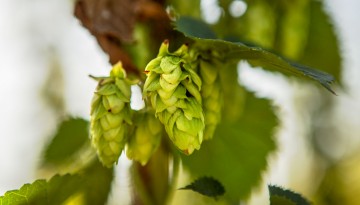
A $300,000 investment from New York state has paved the way for a new hops breeding program at Cornell AgriTech, which will grow and develop signature New York hops varieties in support of the state’s $3.4 billion craft brewing industry.
A Schuyler County-Cornell pilot project could help New York farmers diversify their crops and give regional food manufacturers a cost-effective source for the popular legume.
Joseph Margulies, professor of the practice of law and government, has been awarded the 2021 George D. Levy Faculty Award for his work to break down barriers for previously incarcerated people in Tompkins County.