Wildlife experts have developed a regional computer model – and user friendly app – that predicts counties where wildlife managers should target their surveillance of chronic wasting disease in deer.
A study involving more than 3.6 million people who’d already received COVID vaccinations found that offering free Lyft rides to a vaccination site was no more enticing than simply reminding people of the importance of getting boosted.
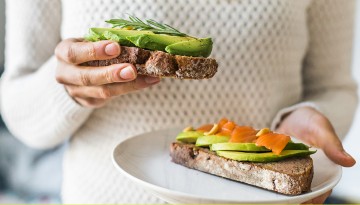
Nutritionists generally advise everyone to eat more dietary fiber, but a new study suggests that its effects on health can vary, suggesting that recommendations should be tailored to each individual’s gut microbiome.
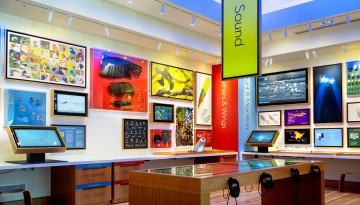
The Visitor Center at the Cornell Lab of Ornithology is now open again to the public, following a multimillion-dollar redesign that began last fall and focused on interactive exhibits, art and accessibility.
In 1829, abolitionist David Walker’s “Appeal to the Colored People of the World” went viral, enabling enslaved people to imagine freedom and why they deserved it.
A group of scientists has released the first comprehensive list of birds that haven’t been documented in more than a decade, with the help of Macaulay Library at the Cornell Lab of Ornithology.
The relationship between mother and child offers clues to the mystery of why humans live longer lives than expected for their size – and sheds new light on what it means to be human.
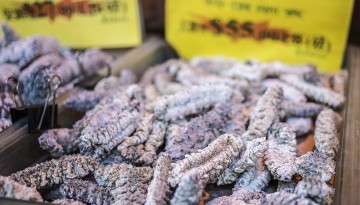
After sampling food markets in Chinatown districts, Cornell researchers found evidence that some threatened species of sea cucumbers – a pricey, nutritious delicacy – get sold to consumers.