Enrolling in a selective college STEM program pays off more for academically marginal students – even though they are less likely to graduate, Cornell economics research finds.
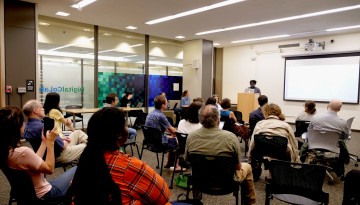
At the May event, students covered topics focused on countries around the globe and ranging from immigration, home care workers and female sports culture to the U.S.-China relationship, the repatriation of cultural objects and AI and literature.
Home to Cornell University Library’s Digital Scholarship Services, the Digital CoLab on the 7th floor of Olin Library stimulates innovation in research and teaching while building connections among scholars across campus. It follows one simple formula: “People over projects.”
A little sour, a little sweet, a tiny bit vegetal: New rhubarb cultivars could be a significant boon to the state’s wines, beers, distilled spirits and hard ciders.
The College of Arts and Sciences has awarded five New Frontier Grants to cutting edge projects in science, social science and the humanities led by A&S faculty, some with collaborators from other colleges.
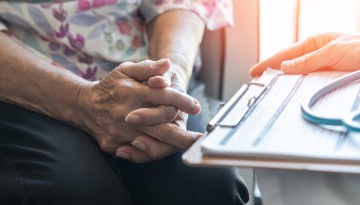
Researchers have developed an AI tool that uses machine learning and large language models to identify treatment options based on patients’ diagnoses, demographic information and priorities.
Cornell's newest interdisciplinary EEG lab could help faculty make breakthroughs in fields ranging from psychology to neurology to artificial intelligence.