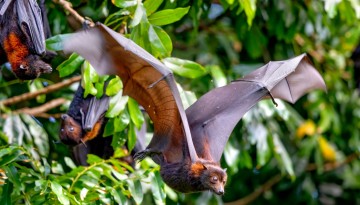
While world public health agencies are focused on how to react to the next pandemic once it has started, a new plan proposes using ecological perspectives to prevent disease outbreaks before they happen.
By studying individuals who spontaneously clear hepatitis C infections, a team of researchers has identified viable vaccine targets for a disease that infects 70 million worldwide.
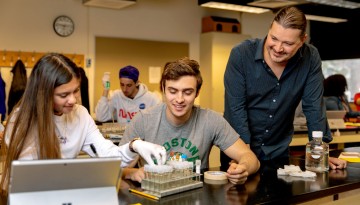
Researchers in the College of Agriculture and Life Sciences have created an “extension without penalty” system that features two assignment deadlines – an “ideal” and an EWP – and charted how the penalty-free extensions were used by students.
Samples of Martian rock and soil could be stranded if Congress doesn't adequately fund a NASA mission to retrieve them, Astronomy Chair Jonathan Lunine told a U.S. House subcommittee on March 21.
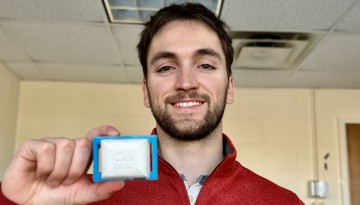
Eight projects have been selected from the Fall 2023 application cycle to receive Ignite Innovation Acceleration grants. The grants are designed to help project teams pursue licensing, form startups, and forge industry collaborations.
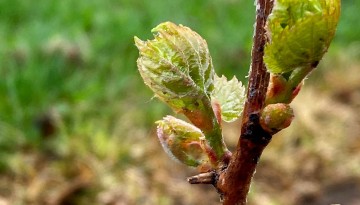
A new Cornell-developed computer model that estimates the temperatures that cause freeze damage in a dozen grape cultivars can help growers plan for the season when damage does occur.