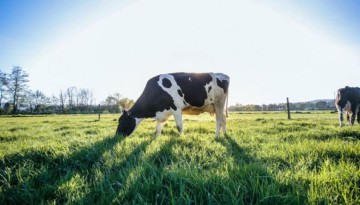
A $1.2 million grant from the National Science Foundation will fund research on how big data and tech innovations affect organizational relationships on dairy farms and in the dairy industry.
Cornell has led research operations at the observatory since the 1960s, when NASA began sending people to space and scientists wanted to learn more about the physics of space weather.
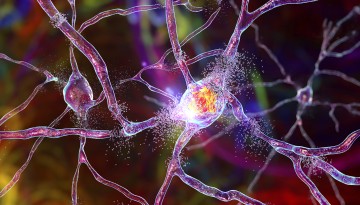
Aggregates of a protein spread in the brains of people with Parkinson’s disease through a cellular waste-ejection process, suggests a new study led by Weill Cornell Medicine researchers.
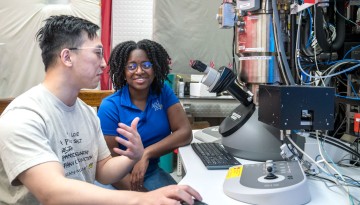
During the past year, students and faculty at Cornell and North Carolina Agricultural and Technical State University have been partnering on a research project built around two shared goals: increasing diversity in the field of materials science and transforming the way the world generates and stores energy.
A series of free, evidence-informed apps for preschool-aged children, developed by a Cornell researcher and colleagues, aims to encourage healthy eating behaviors and exercise.
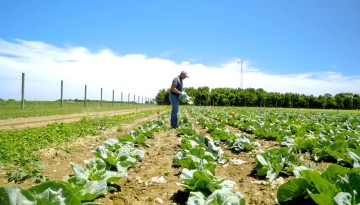
The Long Island Horticultural Research and Extension Center on Sept. 22 will celebrate a century of applied research and education supporting the region’s agricultural and horticultural businesses.
Weill Cornell Medicine investigators have identified definitive biological links between African ancestry and disease processes that affect an aggressive cancer type called triple-negative breast cancer.