A Cornell research team identified barriers to immigrants’ use of online resources that could help them access health and legal benefits, and recommended solutions they incorporated into a new website, Rights for Health.
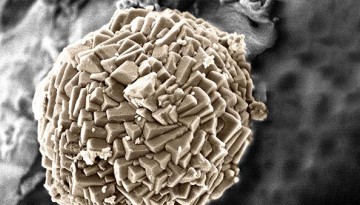
The $500,000 pre-purchase agreement is intended to support technology developed in the lab of Greeshma Gadikota and licensed through Cornell University’s Center for Technology Licensing.
Due to faster decomposition, disposable and plasticized biodegradable medical gowns introduce greenhouse gas discharge problems in landfills, according to new Cornell engineering research.
Cornell has established the Department of Design Tech, a Radical Collaboration partnership between five colleges that seeks to enhance design and technology education and research across the university.
A $20 million gift from Andrew H. ’71 and Ann R. Tisch will foster engagement and collaboration between Cornell Tech and Weill Cornell Medicine, catalyzing new discoveries at the intersection of health and technology.
Karen Levy, associate professor of information science, examines how truckers’ work is being affected by a proliferation of electronic logging technology in a new book, “Data Driven: Truckers, Technology, and the New Workplace Surveillance.”
Unrelenting climate change is leading to extended, late-summer weeks of water stratification, which prompts varying degrees of oxygen deprivation in lakes, says new Cornell research.
Researchers from the Department of Communication state that at the current rate of diversification, U.S. colleges and universities will never achieve racial parity that’s on par with the rest of the country, but that steps can be taken to make it happen.
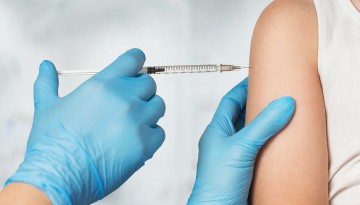
Researchers from Weill Cornell Medicine and colleagues found that two-dose vaccines still provide protection against lung disease in rhesus macaques a year after they had been vaccinated as infants.