Cornell startups Ava Labs have new key partnerships with Deloitte and Mastercard, while university startup companies SwiftScale Biologics and Novomer have been acquired.
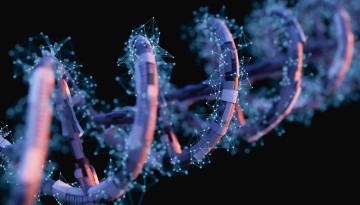
New nanophotonic tweezers developed by Cornell researchers can stretch and unzip DNA molecules as well as disrupt and map protein-DNA interactions, paving the way for commercial availability.
Researchers at Weill Cornell Medicine have developed a pre-clinical model of the leading cause of central vision loss in older individuals, dry age-related macular degeneration, and used it to identify new treatment modalities and drug targets.
The Division of Nutritional Sciences and partner RTI International won a five-year, $23 million award to coordinate research for the NIH’s Nutrition for Precision Health study.
The threat of demographic change may alter who white Americans perceive as racial minorities, potentially making more people vulnerable to discrimination, suggests new Cornell psychology research.
A study also revealed that expanded duties, particularly emotional care, resulted in a higher perceived value of the workers’ contributions, which could help boost pay for home care workers.
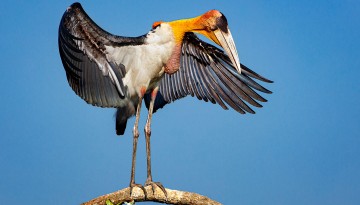
A new film, “Hargila,” illustrates how the greater adjutant stork is slowly being pulled back from the brink of extinction thanks to a community effort inspired by a wildlife biologist in India.
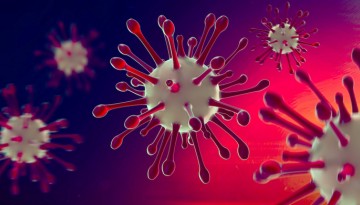
As the world enters a third year of pandemic-related uncertainties, one thing does seem certain: The SARS-CoV-2 virus mutates and keeps us on our toes.
Professors Neil Lewis Jr. ’13 and Tashara Leak are leading the new Action Research Collaborative, which will serve as an institutional hub for cross-campus action research collaborations between Ithaca and New York City, and elsewhere.