A report co-authored by a Cornell researcher will help to steer the emerging field of multi-sector dynamics, shaping a strategy for the greater scientific community to better project the outcomes of human interactions with the natural world.
Jura Liaukonyte, associate professor at Dyson, and colleagues tracked ad viewership using tools that, instead of just monitoring the television, measured actual viewer presence in the room, and focal attention on the screen.
Employees or managers who view themselves as professional are more vulnerable to unethical behavior such as conflicts of interest, a new Cornell study finds.
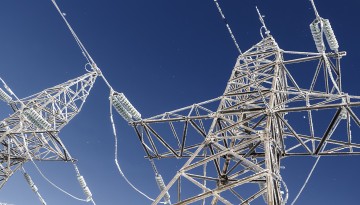
New research finds decentralized electricity markets are prone to underinvestment in resilience to rare events like the severe winter storms that crippled the Texas grid a year ago.
Many in the workforce have turned to Nellie Brown, director of Workplace Health and Safety Programs at the ILR School, for guidance on how to keep their workplaces safe from COVID-19
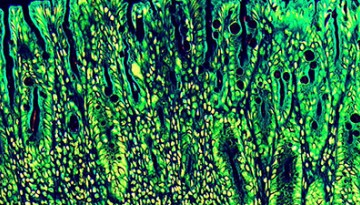
Scientists at Weill Cornell Medicine have developed a pipeline that will enable study of the biological roles of gut bacteria, recognized as key factors in health and disease.
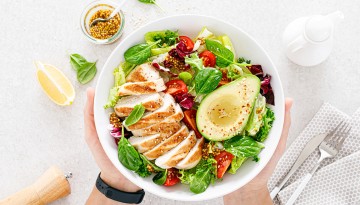
The amount of poultry in European diets isn’t conducive to an optimal food system, which prioritizes crops that produce healthy foods while reducing or reusing waste streams.