Seven exceptional early-career scholars will be awarded three-year fellowships to pursue independent research in the arts and humanities, social sciences and natural sciences.
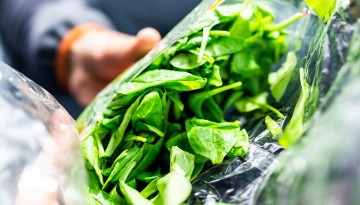
Strengthening existing federal food safety laws can keep producers – and those all along the supply chain – from lagging behind industry standards to protect consumers.
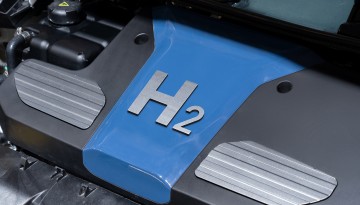
Cornell chemists have discovered a class of nonprecious metal derivatives that can catalyze fuel cell reactions about as well as platinum at a fraction of the cost, which could bring hydrogen fuel cells in vehicles and generators closer to reality.
A new Cornell study could help inform the development of offshore wind farms by providing detailed models characterizing the frequency, intensity and height of low-level jet streams over the Atlantic coast.
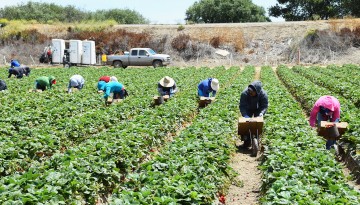
Refugees are less likely to be employed the longer they live in the United States, despite unique and early access to employment services, according to new research co-authored by Shannon Gleeson of the ILR School.
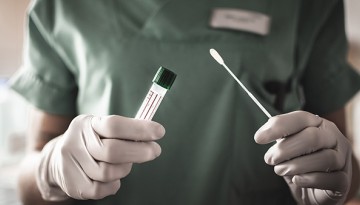
Researchers at the College of Veterinary Medicine, in collaboration with the Tompkins County Health Department and Cayuga Health System, are conducting a COVID-19 community health survey to estimate levels of COVID infection and immunity in the county.
According to new research out of Weill Cornell Medicine, a protein that masterminds the way DNA is wrapped within chromosomes has a major role in the healthy functioning of blood stem cells, which produce all blood cells in the body.