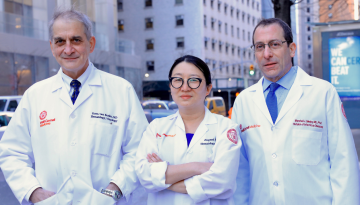
A patient living with HIV who received a blood stem cell transplant for high-risk acute myeloid leukemia has been free of the virus for 14 months after stopping HIV antiretroviral drug treatment, suggesting a cure, according to the Weill Cornell Medicine and New York-Presbyterian physician-scientists who performed the transplant and managed her care.
Biologist Alex Flecker and computer scientist Carla Gomes co-led a project that employed AI and around 40 researchers in an attempt to determine optimal placement of around 350 hydropower dams in the Amazon river basin.
Journalistic fact checks are a more effective counter to COVID-19 misinformation than the false news tags commonly used by social media outlets, according to new Cornell research.
A project led by Felix Heisel and community partners is investigating deconstruction’s potential as a more sustainable alternative to building demolition, a source of significant waste that contributes to climate change.
Cornell computer scientists have developed a new framework to automatically draw “underground maps,” which accurately segment cities into areas with similar fashion sense and, thus, interests.
Cambridge University Press called upon Derk Pereboom to write a definitive overview of research on the free will debate for its Philosophy of Mind Elements series, which provides succinct overviews of key topics.
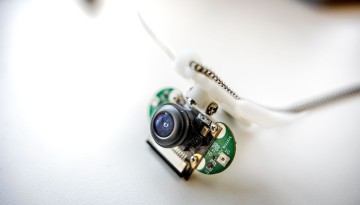
Cheng Zhang, assistant professor of information science, and doctoral student Ruidong Zhang have developed a silent-speech recognition device, SpeeChin, that can identify silent commands using images of skin deformation in the neck and face.
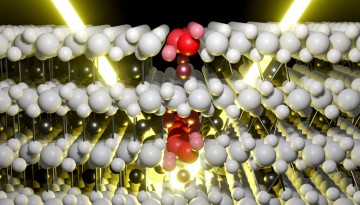
A new X-ray technique developed by Cornell engineers has revealed the cause of a long-identified flaw in sodium-ion batteries; a discovery that could prove to be a major step toward making sodium-ion as ubiquitous as lithium-ion.
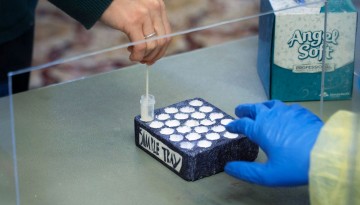
Professor of economics Jörg Stoye proposes new methods of deriving the prevalence of a disease when only partial data is available — with applications for epidemiology and public health policy.