A new Cornell-led study identifies several keys to sustainably managing the influx, with an emphasis on battery chemistry, second-life applications and recycling.
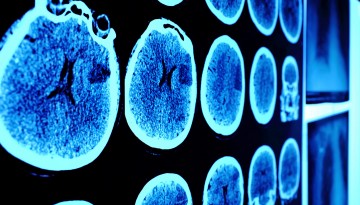
Treatment with the amino acid arginine enhanced the effectiveness of radiation therapy in cancer patients with brain metastases in a clinical trial from investigators at Weill Cornell Medicine and Angel H. Roffo Cancer Institute.
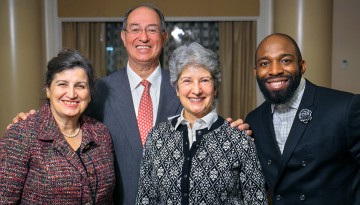
A $1.8 million gift from Gail and Roberto Cañizares ’71, MBA ’74, will provide substantial support to the Emerging Markets Institute at the Cornell SC Johnson College of Business.
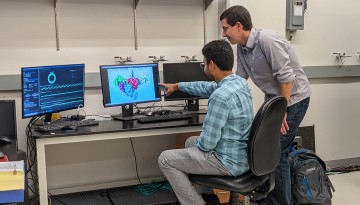
The new findings published in Science capture never-before-recorded stages of a molecular construction process, with implications for future pharmaceutical development.
A new study suggests that greater cumulative exposure to estrogen in life may counter the decline in brain-matter volume that occurs with menopause, in key brain regions affected in Alzheimer's disease.
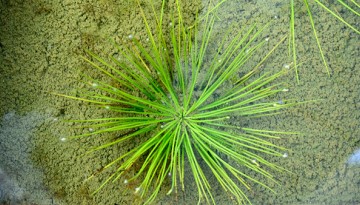
Researchers have assembled a high-quality Isoetes genome that furthers understanding of how these aquatic plants regulate CAM photosynthesis to compete for carbon dioxide underwater, and how that regulation differs from terrestrial plants.
How many adorable cat videos can you watch in one sitting? Kaitlin Woolley ’12, associate professor of marketing in the Johnson School, said they’re kind of like potato chips: You can’t consume just one.
A team of Cornell students has won a grant from NASA’s University Student Research Challenge for a proposed sensor that can help 3D printers build better, more reliable products. To collect the prize, the team is now crowdfunding a cost-share required by NASA.
JP Pollak, co-founder and chief architect at The Commons Project Foundation, which is working on a universal vaccine app, is the guest for the fifth episode of the Startup Cornell podcast.