President Martha E. Pollack on Oct. 18 announced the winners of Stephen H. Weiss Awards honoring a sustained record of commitment to the teaching and mentoring of undergraduate students and to undergraduate education.
Using a Packard Fellowship for Science and Engineering from the David and Lucile Packard Foundation, Peter McMahon, assistant professor of applied and engineering physics, aims to harness the power of photonics to build processors for neural networks that are more than 1,000 times more energy efficient.
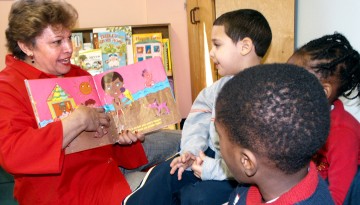
Through a partnership with Cornell Cooperative Extension, New York City’s Department for the Aging will provide child development training to volunteers in its Foster Grandparent Program.
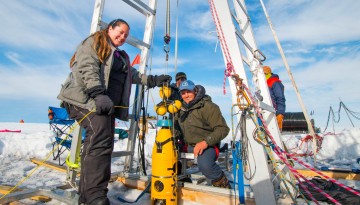
To prep for missions to Jupiter’s icy moon Europa, Britney Schmidt, associate professor of astronomy and earth and atmospheric sciences, is studying Antarctica’s ice and oceans.
A new book by Judith Byfield, professor of history, highlights the central role that women played in Nigeria’s nationalist movement in the years following World War II.
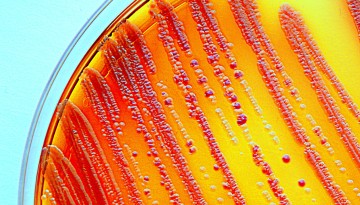
Researchers from Weill Cornell Medicine sampled gut bacteria from healthy fecal microbiota transplantation donors and from recipients with ulcerative colitis, identifying the bacterial strains that correlates with effective treatment.
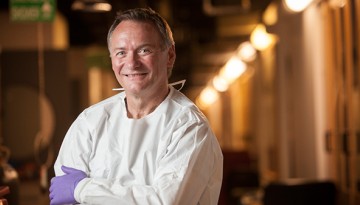
David Russell, the William Kaplan Professor of Infection Biology in the Department of Microbiology and Immunology, has been awarded a $2 million grant from the Mueller Health Foundation to develop new treatment regimens for tuberculosis.