Cornell researchers used advanced atomic modeling to explore the ways environment can influence the growth of cracks in alloys such as aluminum and steel – knowledge that could help engineers better predict, and possibly postpone, the failure of structures.
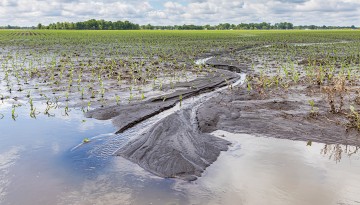
A Cornell-led international team of researchers has received a $65,000 grant from the National Endowment for the Humanities for its project, “The Next Monsoon: Climate Change and Contemporary Cultural Production in South Asia.”
A brain circuit that works as a brake on binge alcohol drinking may explain why women may be more vulnerable to alcohol-use disorders, a Weill Cornell Medicine study found.
A small contribution from Tristan Lambert, professor of chemistry and chemical biology, when he was a doctoral student helped catalyze the breakthrough in catalysis that led to the 2021 Nobel Prize in chemistry.
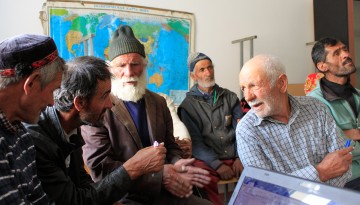
Karim-Aly Kassam is leading a project that brings together Indigenous and rural communities and scholars from across the globe to develop ecological calendars that integrate local cultural systems with seasonal indicators.
Considered an ultra-hot Jupiter – a place where iron gets vaporized, condenses on the night side and then falls from the sky like rain – the fiery, inferno-like WASP-76b exoplanet may be even more sizzling than scientists had realized.
There are no references to gender in a typical noncompete agreement, but they still have a more deleterious effect on women entrepreneurs than they do on men, according to Dyson professor Matt Marx.
A new episode of The Humanities Pod podcast tells the stories of self-liberated fugitives from American slavery through the lens of 30,000 original documents.