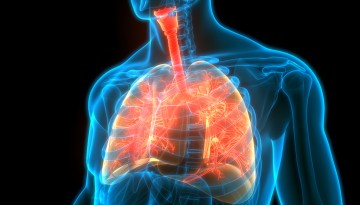
The specialized endothelial cells that line the blood vessels in the lung may hold the key to treating the common and often-fatal lung disease emphysema, according to a study from researchers at Weill Cornell Medicine and NewYork-Presbyterian.
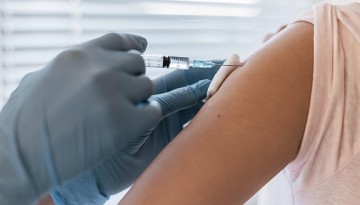
Personal protection against COVID-19 was the main reason given for vaccine acceptance among respondents in low- and middle-income countries, and concern about side effects was the most common reason for vaccine hesitancy.
Coordination can be essential, but moral progress requires room for people to hold minority views, finds new research by Shaun Nichols, professor in the Sage School of Philosophy.
The genetic changes that underlie an especially lethal type of prostate cancer, called neuroendocrine prostate cancer, have been revealed in a new study at Weill Cornell Medicine. Learning more about what causes this type of cancer could lead to new approaches for treating it.
Cornell research has revealed a new form of bargaining power among Chinese platform-based food delivery workers, who conduct invisible ministrikes by logging out of apps and airing grievances over WeChat.
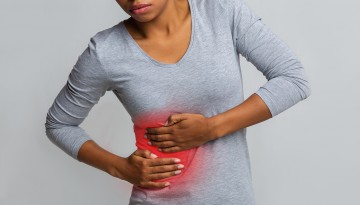
Black patients who have chronic liver failure, also known as end-stage liver disease, are less likely to be placed on a waiting list for a life-saving liver transplant than other racial and ethnic groups, according to a study.
Breeding Insight, a new program funded by the U.S. Department of Agriculture through Cornell University, will share latest tools with breeders in the U.S.
The Cornell University Hospital for Animals is launching its own blood bank for companion animals. There are only a handful of veterinary blood banks across the country, and it is uncommon for animal hospitals to have their own.
After stifling temperatures parked over the Pacific Northwest in late June, scientists – including Cornell’s Flavio Lehner – said climate change triggered it.