Cornell researchers “humanized” mice with microbiota from three global populations and found that microbial differences alone can impact immune responses.
A country’s values, norms and policies influence fertility rates, particularly among the religious, according to a new study by sociologist Landon Schnabel.
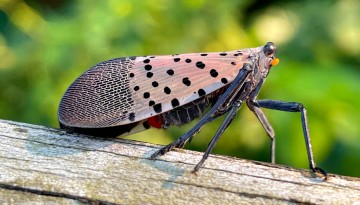
The spotted lanternfly – an invasive, destructive pest with a wide range of hosts including grapes, apples, hops, maple and walnut – has spread to a growing number of counties in New York state.
The 2020 nationwide lockdown India imposed in response to the COVID-19 pandemic caused disruptions that negatively impacted women’s nutrition, according to a new study from the Tata-Cornell Institute for Agriculture and Nutrition.
Two new publications examining cassava flowering reveal insights into the genetic and environmental factors underpinning one of the world’s most critical food security crops.
Researchers at Weill Cornell Medicine have identified neurons that drive animal brains to initiate actions without prompting from food or prey – a big step toward solving a big unanswered questions in neuroscience.
The highly educated accumulate systematically advantaged portfolios of resources in long-term relationships, making families more unequal, according to Cornell sociologists.
A new method that analyzes how individual immune cells react to the bacteria that cause the disease could pave the way for new vaccine strategies, and provide insights into fighting other infectious diseases around the world.
Cornell researchers have developed nanostructures that enable record-breaking conversion of laser pulses into high-harmonic generation, paving the way for new scientific tools for high-resolution imaging.