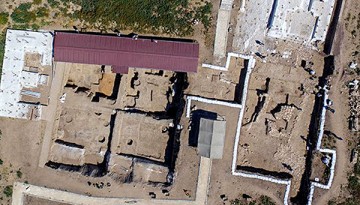
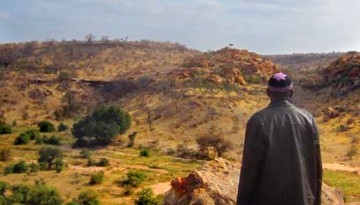
A new study – led by archaeologists from Cornell and from the University of Toronto, working in southeastern Turkey – reveals evidence of resilience and even of a flourishing ancient society despite changes in climate.
After learning the theory and methodology behind public opinion polls, undergraduates in “Taking America’s Pulse” surveyed a nationally representative sample of more than 1,100 Americans on a wide range of topics.
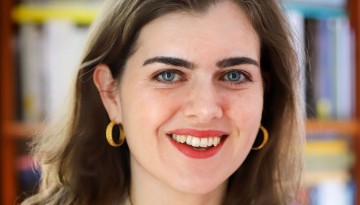
Caitlín Barrett, associate professor of classics in the College of Arts and Sciences, has been named a National Geographic Explorer after receiving a grant from the National Geographic Society to study daily life in ancient Rome.
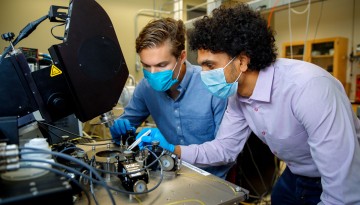
Students and faculty in the College of Engineering are leveraging the university’s robust entrepreneurial ecosystem to launch a variety of tech startups.
Marketing strategies that boost feelings of psychological ownership can increase people's willingness to clean up trash, donate money and volunteer at public parks, according to research co-authored by Suzanne Shu, professor of marketing.
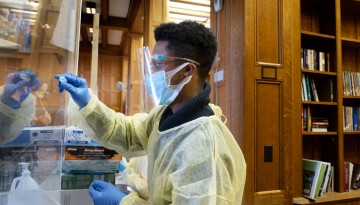
At Cornell, committed leaders, expert faculty, trained staff and student hires have worked tirelessly behind the scenes to create a winning strategy to reactivate campus and keep the community safe from COVID-19.
In his new book, “Genetic Afterlives,” Noah Tamarkin, assistant professor of anthropology, takes an ethnographic approach to discussing the Lemba, a group living in South Africa with ties to the Jewish diaspora.
Student startup accelerator eLab has selected 21 teams of student-entrepreneurs for its 2020-21 cohort. The rigorous for-credit program assists startups with evolving their business models and readying them for launch.
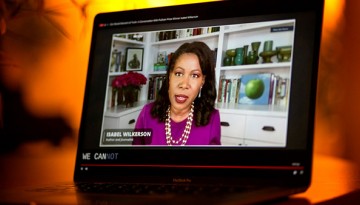
Isabel Wilkerson, journalist and author of “Caste: The Origins of Our Discontents,” on Oct. 21 delivered the Cornell Center for Social Sciences’ annual Distinguished Lecture in the Social Sciences.