Scientists used the Cornell Lab of Ornithology’s global citizen science database to create a blueprint for conserving habitat to protect almost one-third of the warblers, orioles and other birds that migrate among the Americas.
Filiz Garip, a former engineer whose career has been defined by interdisciplinary thinking, has been named director of a Cornell incubator for new ideas and research in economic sociology.
A Cornell researcher, who is a leader in developing a new type of gene editing CRISPR system, and colleagues have used the new method for the first time in human cells – a major advance in the field.
Long-term spaceflight causes more changes to gene expression than shorter trips, according to research by Weill Cornell Medicine and NASA investigators as part of NASA’s Twins Study involving Mark and Scott Kelly.
The temporary benefits of ketamine against depression might be extended if the new brain-cell connections it promotes could be preserved, according to a study by researchers at Weill Cornell Medicine.
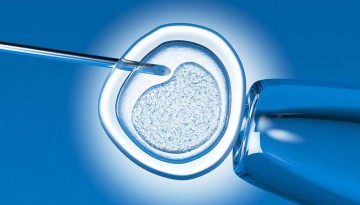
A new AI approach by Weill Cornell Medicine investigators can accurately identify whether a 5-day-old, IVF human embryo has high potential to progress to a successful pregnancy.
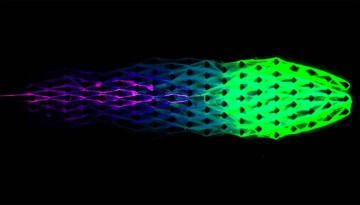
Cornell engineers have constructed a DNA material with capabilities of metabolism, in addition to self-assembly and organization – three key traits of life.
The Cornell Center for Health Equity will hold its second annual symposium April 11-12 at Cornell’s College of Veterinary Medicine on the Ithaca campus.
Five faculty fellows involved in the China’s Cities collaborative project reported on their results from three years of research at a March 22 capstone lecture. The Institute for the Social Sciences sponsored the project.