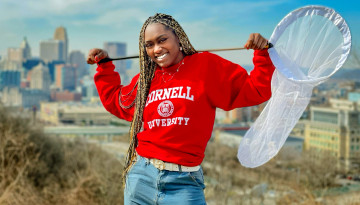
Doctoral student Sylvana Ross and a team of Cincinnati youths spent their summer studying city-dwelling insects, amassing data that can inform decisions that support healthy green spaces.
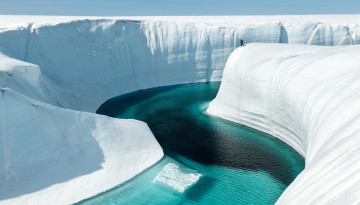
The exhibition featuring books, maps and other visual materials related to the study of glaciers and the Earth’s shifting climate opens Sept. 17 at the Hirshland Exhibition Gallery of Carl A. Kroch Library.
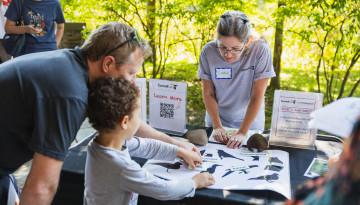
Celebrate birds with a fun-filled day of free workshops, presentations, bird walks, and more at the Cornell Lab of Ornithology on Sept. 12 from 10 a.m to 3 p.m.
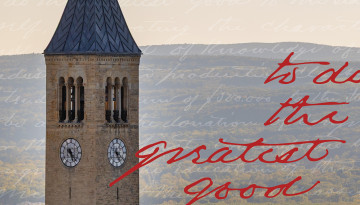
Cornell’s To Do the Greatest Good campaign surpassed its goal of raising more than $5 billion and engaging more than 200,000 alumni – achievements that will enhance opportunities for students and accelerate critical faculty research.
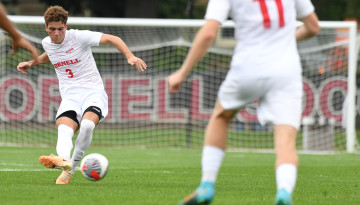
While Cornell has won at least 10 games in six of the last seven seasons, the lack of silverware is a driving force for the Big Red entering the 2026 season.
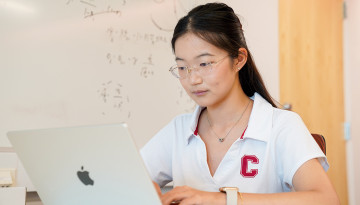
This summer, 60 undergraduates participated in the Bowers Undergraduate Research Experience, a 10-week, paid program where undergraduate students do real-world research alongside Bowers faculty.
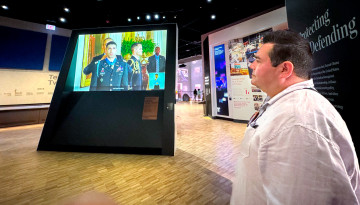
Jeffrey Palmer, associate professor in the Department of Performing and Media Arts, worked with former president Barack Obama and his advisers to create two films for the Obama Presidential Center in Chicago.